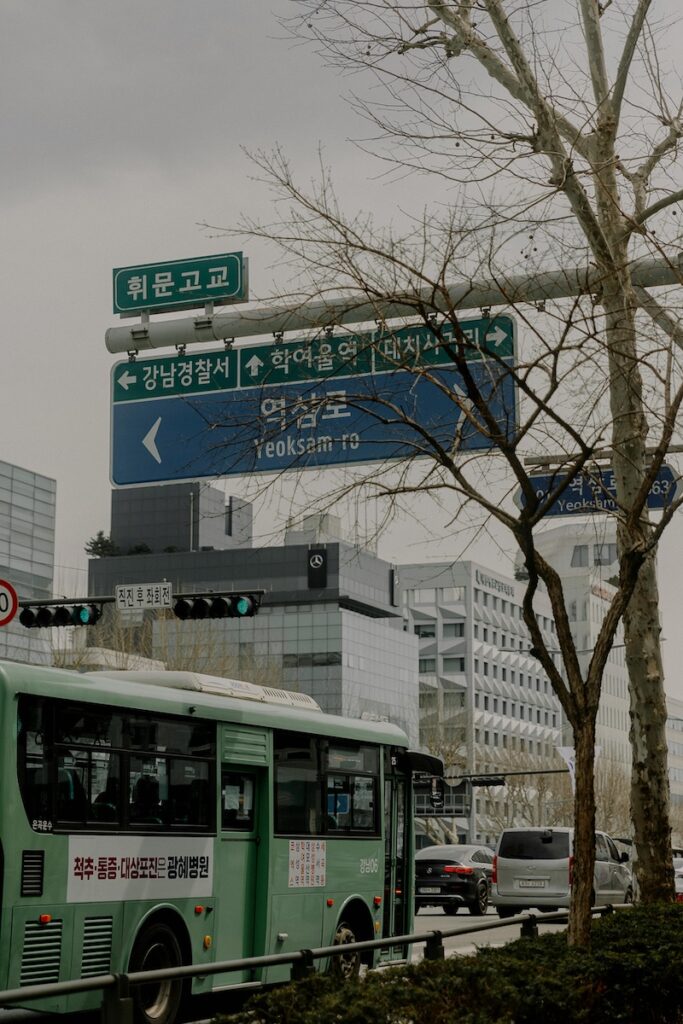
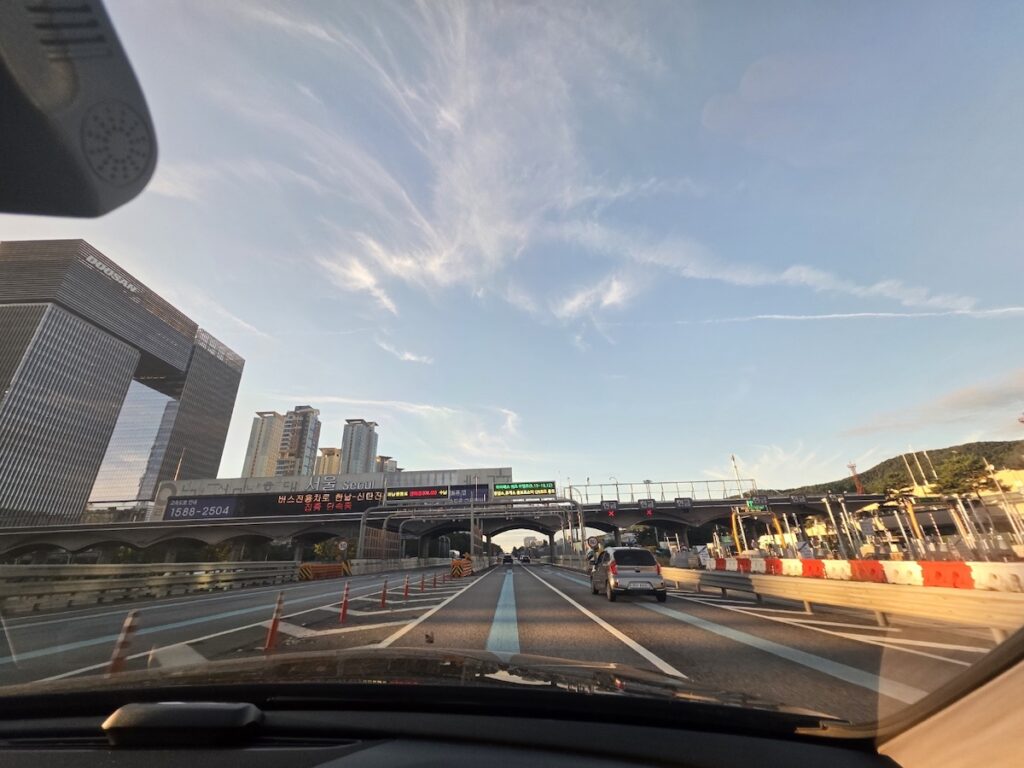
Thinking about Driving in Seoul for Foreigners in 2026? South Korea’s capital is a marvel of infrastructure, but for an expat, it can be a maze of high-tech cameras and strict regulations. As of 2026, car ownership in Korea has reached a record high, with over 560 vehicles per 1,000 people, making Seoul’s traffic density one of the most intense in the world. This guide will provide the “hidden rules” you won’t find in official manuals, ensuring you drive safely while protecting your wallet from exorbitant fines.
1 | Survival in the “Seoul Jungle”: Traffic & Congestion
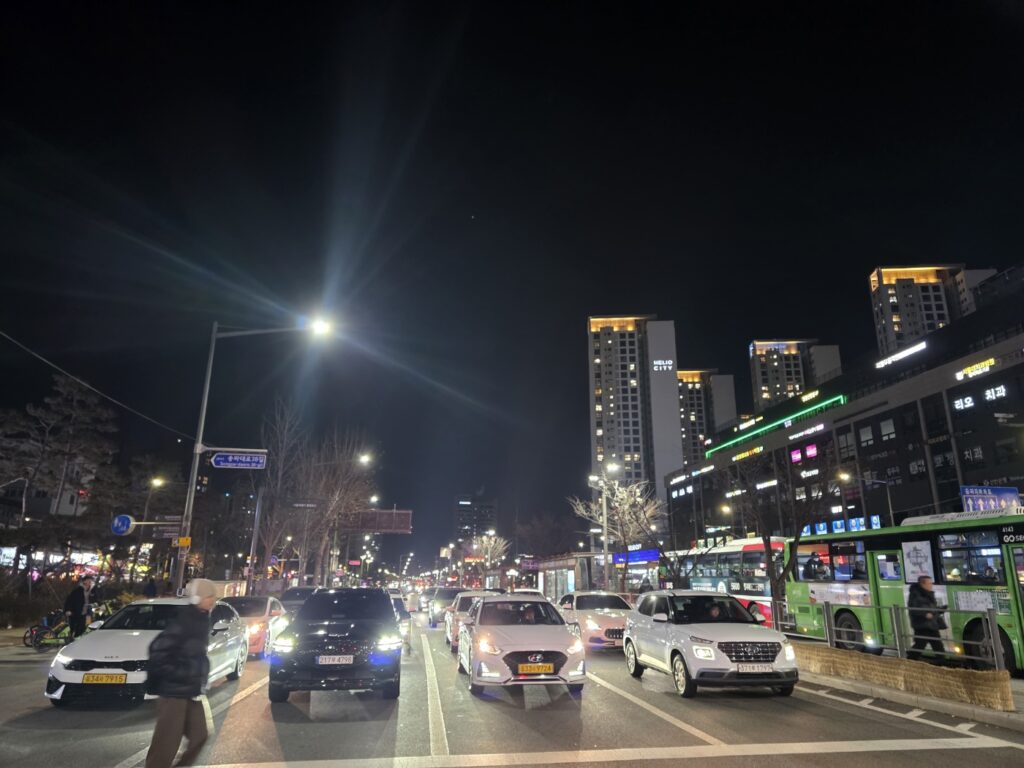
Seoul’s traffic is notorious, but understanding the flow is the first step in Driving in Seoul for Foreigners.
- The Peak Hour Battle: Major arteries like the Olympic Highway (올림픽대로) and Gangnam-daero are consistently gridlocked between 7–9 AM and 5–7 PM.
- Why It Matters for You: High congestion increases the risk of minor fender benders. In Korea, even a small scratch can lead to complicated settlement processes.
- Expert Pro Tip: Always ensure your Seoul car rental includes comprehensive liability coverage. For those borrowing a friend’s car, look into Short-term car insurance—a 24-hour policy that can be purchased instantly via mobile apps to avoid total financial ruin during a rush-hour accident.
2 | “Safety Speed 5030”: The Automated Fine Trap
The most frequent mistake when Driving in Seoul for Foreigners is ignoring the “5030” policy.
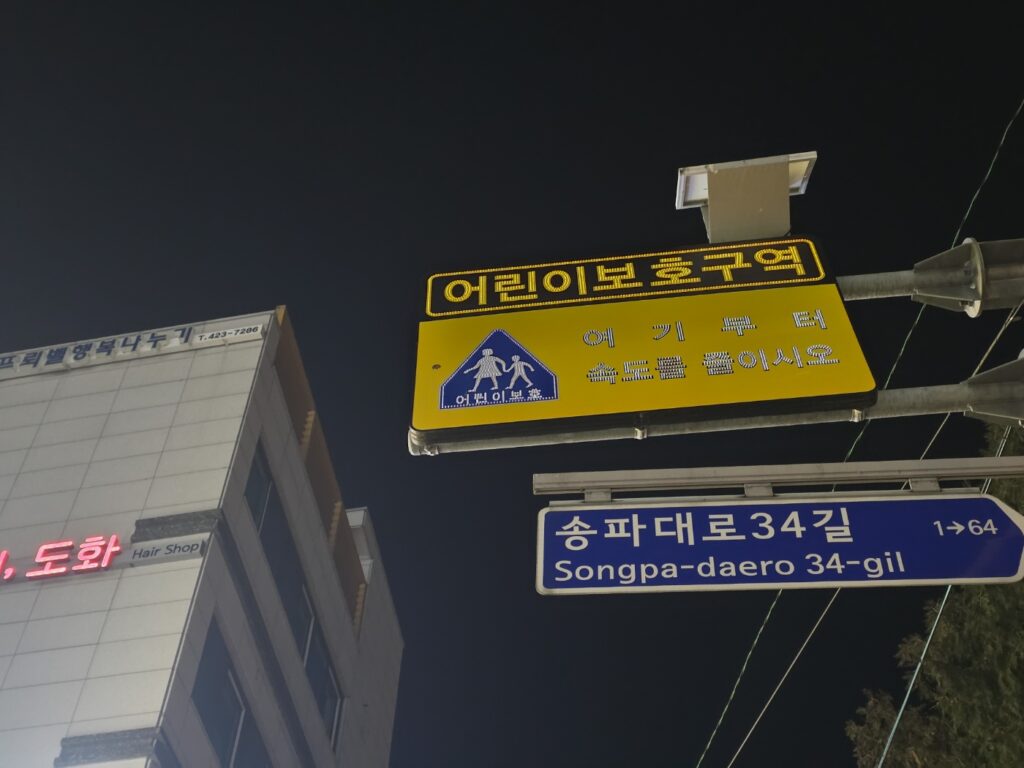
- The 50/30 Rule: Most main city roads are capped at 50 km/h, while residential areas and school zones drop to a strict 30 km/h.
- High-Tech Enforcement: Seoul uses AI-powered speed cameras that don’t just measure speed but also monitor lane changes and seatbelt use. Fines for speeding in a School Zone are doubled, often exceeding 130,000 KRW.
- Financial Protection: Since these fines are ubiquitous, professional drivers in Korea often carry Driver’s Insurance. This specific type of insurance covers “Fine Reimbursement” and “Legal Expenses,” which standard auto insurance does not cover.
3 | The “Right Turn” Revolution: A Mandatory Dead Stop
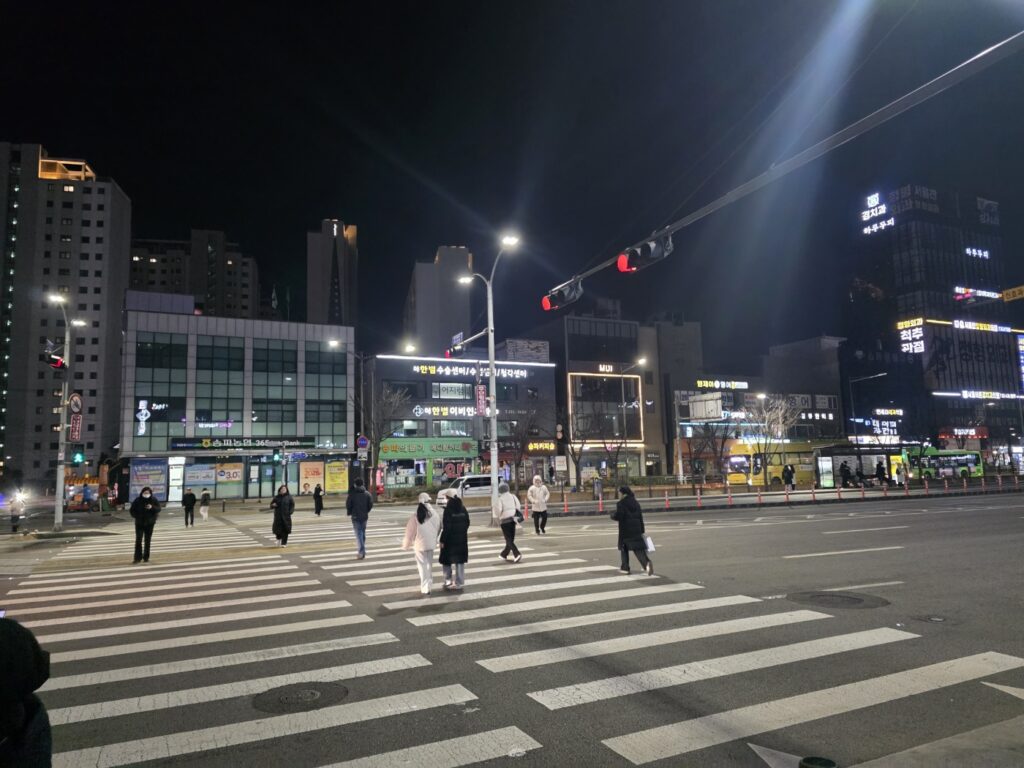
As of 2026, Korean law has become extremely protective of pedestrians, and right-turn violations are a primary target for police enforcement.
- The Rule of Law: When turning right, you must come to a Complete Dead Stop at the stop line if there is a pedestrian on the crosswalk or even if someone is approaching the crosswalk.
- The Hidden Danger: A right-turn accident at a crosswalk is classified as one of the “12 Critical Negligence Accidents” in Korea. This means you can face criminal prosecution regardless of your insurance payout.
- Safety Hack: Never “roll” through a right turn. Stop for 3 full seconds. It’s better to be honked at than to face a criminal record.
4 | Parking in Seoul: Deciphering the Yellow Lines
Finding a legal spot is the final boss of Driving in Seoul for Foreigners.
- Yellow Line Codes:
- Double Yellow: No parking or stopping at any time. Instant tow zone.
- Single Yellow: Parking is allowed during specific times (check the nearby signs).
- White Line: Parking is generally allowed.
- Digital Solutions: Use apps like Modu Parking or T-Map to find paid public parking lots (Gong-yeong Ju-cha-jang). Illegal parking fines can ruin your day, and in 2026, citizen reporting via the “Safety Report” app makes illegal parking almost impossible to get away with.
5 | FAQ: Driving with an International Permit
- Q: Can I drive with just my home country’s license? A: No, you must have a valid International Driving Permit (IDP) alongside your original license.
- Q: What happens if I get a ticket? A: Most fines can be paid via virtual bank accounts provided on the ticket. For expats, ignoring these can lead to visa extension issues.