Introduction: The Future Always Matters in Korea
Imagine walking down a side street in Seoul—maybe near Hongdae, Gangnam, or the historic alleys of Insadong. Amid cafés and clothing shops, you’ll notice colorful signs with mysterious words: 사주 (Saju), 타로 (Tarot), 운세 (Unsae – Fortune). In Korea, fortune-telling isn’t an old-fashioned superstition; it’s a living, modern culture that blends tradition, psychology, and spirituality.
Whether you are a digital nomad seeking career clarity or a tourist curious about your “romantic compatibility,” understanding Saju is a gateway to the Korean psyche. This guide is part of our ** [Living in Korea 2026: Cultural Master Hub]**, helping you navigate the spiritual side of Seoul with confidence.
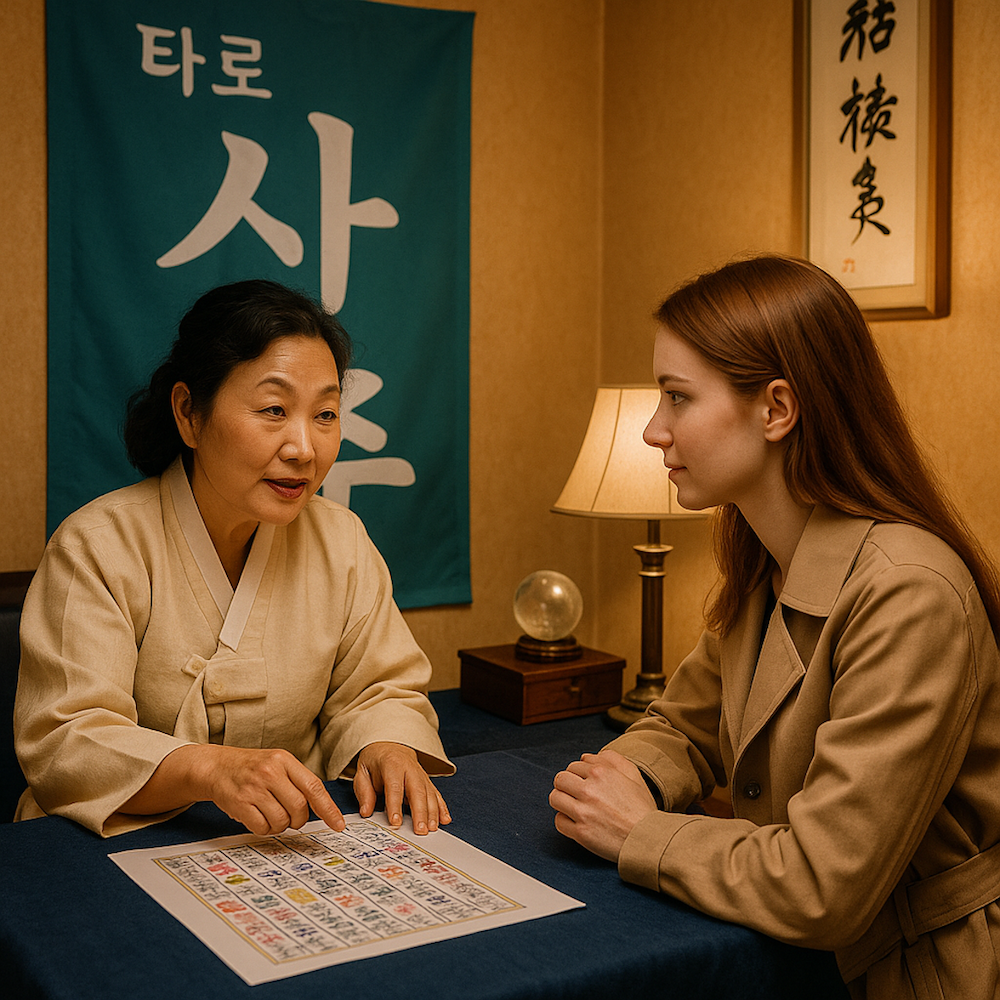
1. A Deep Cultural Root: The Science of Saju (사주)
Saju translates to “Four Pillars of Destiny.” It is a form of traditional fortune-telling based on the exact hour, date, month, and year of your birth.
- The Five Elements (O-haeng): Each pillar corresponds to cosmic energies—Wood, Fire, Earth, Metal, and Water. Experts analyze the balance of these elements to determine your personality, luck, and destiny.
- Historical Influence: In the Joseon Dynasty, aristocrats consulted Saju before marriages. Even today, many Korean parents check “compatibility (Gung-hap)” before their children wed.
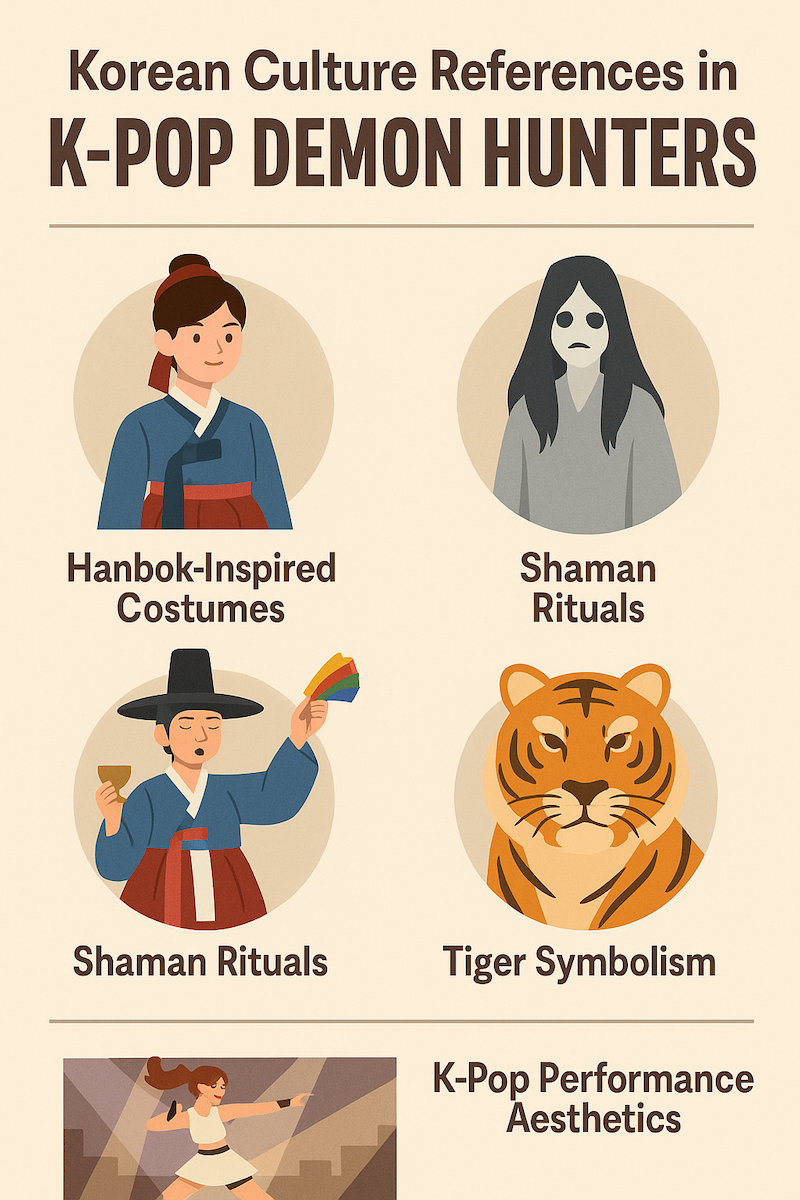
- The Shamanic Link: Alongside Saju, Korea has a strong shamanic tradition (Mudang culture) that focuses on healing and emotional comfort.
2. Modern Transformations: From Temples to Tarot Cafés
Fortune-telling has evolved into a multi-billion dollar industry in 2026.
- Tarot’s Adaptation: Tarot cafés in university districts like Hongdae offer drinks and personalized readings. It is a trendy social activity for young couples.
- Digital Fortune-Telling: Apps like “Jeomsin” or YouTube live readings have boomed, allowing tech-savvy Koreans to check their daily luck via AI algorithms.
3. Why Koreans Still Believe: It’s Not Just About Fate
For many Koreans, visiting a fortune-teller is a form of emotional management.
- Decision-Making Support: In a highly competitive society, people turn to Saju for reassurance before exams, job interviews, or business openings.
- Psychological Comfort: Hearing “Your luck will improve after spring” acts like casual therapy in a culture where mental health topics can still be sensitive.
4. [New] Saju and Tarot in Seoul vs. MBTI
While the West relies on MBTI (16 personality types), Koreans look at their “Pillar Density.”
- MBTI (The Momentary Self): Based on how you feel now.
- Saju (The Blueprint): Based on the cosmic energy you were born with.
- The Expats’ View: Many foreigners find that Saju offers a more permanent psychological anchor. It is common for professional counseling in Seoul to integrate Saju to help clients understand inherent stressors.
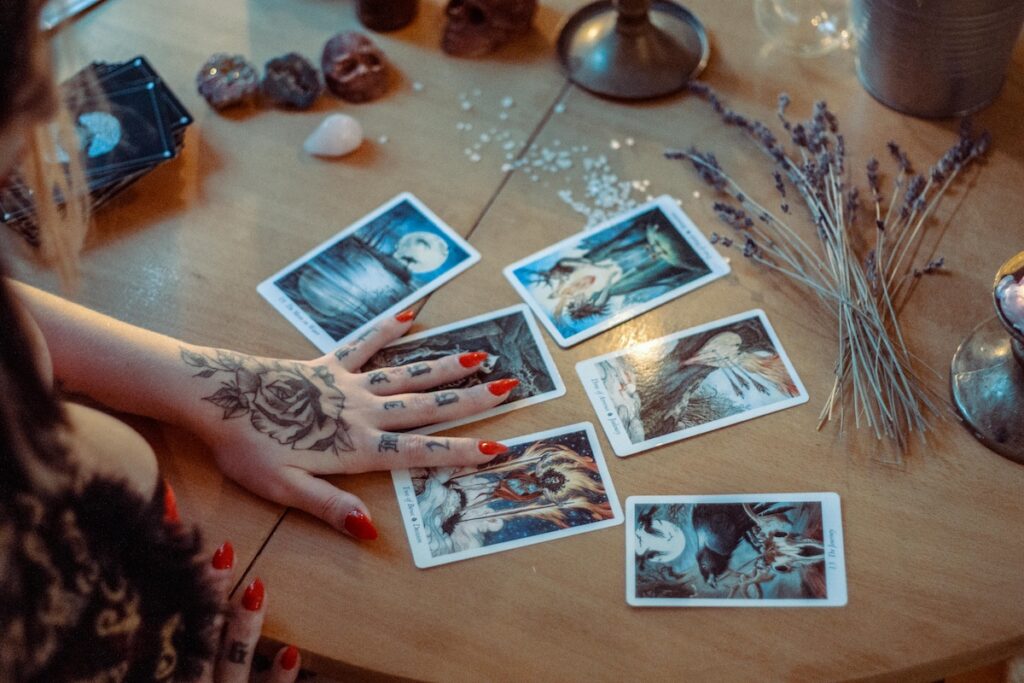
5. Common Types of Fortune-Telling in Korea
- Saju (사주): Analyzing career, love, and health based on birth time.
- Tarot (타로): Especially popular for quick love and relationship advice.
- Face Reading (Gwan-sang): Analyzing facial features to reveal personality—once used in traditional job interviews.
- Palm Reading (Son-geum): Examining hand lines for wealth and health.
6. Fortune-Telling as a Reflection of Modern Anxiety
In an era of job insecurity and social pressure, visiting a fortune-teller is a way to regain control. As one reader in Seoul put it: “People don’t come to hear the future. They come to feel seen.”
7. [Practical] Guide: Visiting a Saju Café as a Foreigner
Don’t let the language barrier stop you from this 2026 cultural experience.
- Key Phrases: “English possible?” (Yeon-eo-ga-neung-hae-yo?) or “I want to know about my career” (Ji-geop-un-i-gung-geum-hae-yo).
- Using Papago: Most readers are happy to speak directly into your translation app.
- Auspicious Timing: For the best experience, visit on a weekday afternoon (2 PM – 4 PM) to avoid the long weekend queues.
- Requirements: Bring your birth date and exact time of birth (accurate to the minute) for an accurate Saju reading.
8. Where to Experience It in Seoul
- Insadong: Traditional Saju houses tucked between antique shops.
- Hongdae: Trendy tarot cafés with modern décor and English-friendly readers.
- Gwangjang Market: Hidden alleys with old-school experts offering quick, budget-friendly readings.
9. Conclusion: A Window Into the Human Heart
Fortune-telling in Korea is about coping, communication, and culture. Even if you don’t believe in fate, stepping inside a “Saju-Tarot” shop offers a profound look at the human desire to be understood.
📌 Take Your Korean Life to the Next Level
- [Safety Guide] [How to Call 119 in Korea: Fire and Ambulance Tips] (Be prepared for any emergency)
- [Legal Guide] [How to Get Your Alien Registration Card (ARC) in 2026] (The essential first step for any expat staying in Korea)