Medical Emergency Korea Without ARC is a cold, clinical reality that begins the moment you feel a midnight fever in the heart of Seoul.
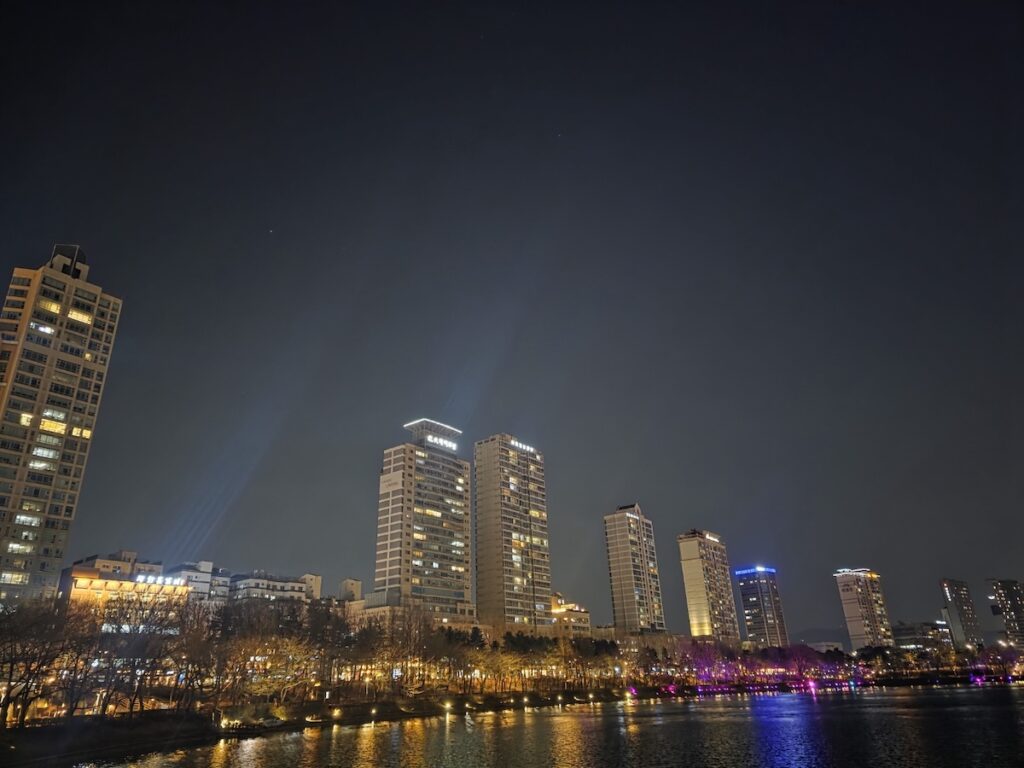
Seoul is a city that never sleeps, illuminated by a thousand artificial suns reflecting off the glass towers of Lotte World. But for an expat, this radiance is an illusion if you are caught in a medical crisis during your Life in Korea Without ARC. The Korean healthcare system is a digital fortress; without your 13-digit identification, you are not a patient, but a high-risk liability. When the midnight fever strikes, your Alien Registration Card (ARC) Korea is the only document that stands between a routine check-up and financial ruin.
Based on our grim field observations, here is the raw reality of navigating the medical void during your Life in Korea Without ARC.
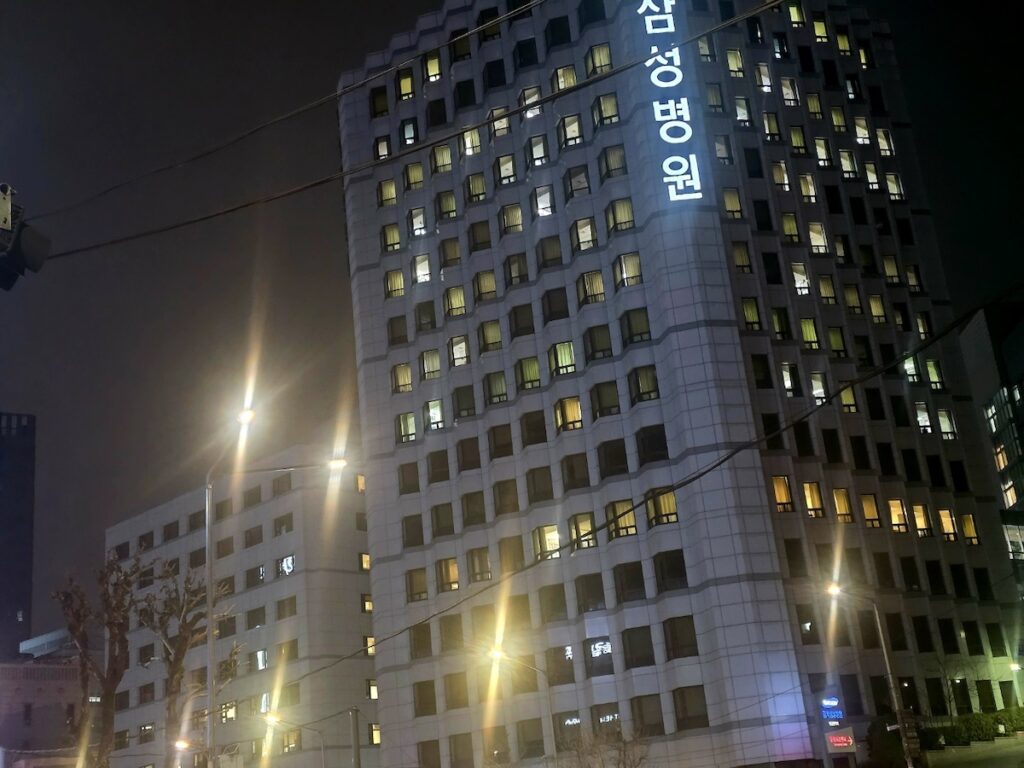
1. The $200 Fever: Non-Reimbursable Reality in Your Life in Korea Without ARC
In the absence of an Alien Registration Card (ARC) Korea, you are categorized as a “General Patient” (I-ban-hwan-ja). This sounds benign, but in the sterile reality of a Korean clinic, it means you are 100% responsible for every won of the “Non-reimbursable” (Bi-geup-yeo) fees.
A simple viral infection that costs a local $5 will cost you $100 to $200. Without the National Health Insurance (NHIS) link provided by your Alien Registration Card (ARC) Korea, the hospital has no legal mandate to offer you the subsidized “Social Safety Net” rates. You are essentially paying a “Foreigner Tax” for every minute you spend in the waiting room during your Life in Korea Without ARC.
🔗 Related Guides: Navigating Your Medical Survival
- [The Digital Gap]Life in Korea Without an ARC: 7 Rituals You Cannot Perform in Seoul (2026)
- Context: If you find yourself in a Medical Emergency Korea Without ARC, you will quickly realize that healthcare is just one of many rituals out of your reach. Discover the 7 essential services that remain locked until your identification is verified.
- [The Safety Net]2026 Guide: Private Health Insurance for Foreigners in Korea
- Context: While waiting for your national coverage, private insurance is your only shield against the exorbitant Seoul Hospital Fees for Foreigners. Learn how to bridge the gap and protect your finances before the next midnight emergency strikes.
2. Prescription Blockade: Identity Rituals in Your Life in Korea Without ARC
The pharmacy ritual in Seoul is a digital gatekeeping exercise. Even if a sympathetic doctor writes you a prescription, the pharmacist’s computer requires a verified identity to process the medication into the national database.
During your Life in Korea Without ARC, this process often grinds to a halt. Some pharmacies may refuse to dispense critical antibiotics or controlled substances if they cannot link the prescription to an Alien Registration Card (ARC) Korea. You are left standing at the counter, facing the “Digital Silence” of a system that refuses to recognize your existence, proving that your health is secondary to your administrative status.
3. The Price of a Cold: A Cost Comparison of Your Life in Korea Without ARC
In Korea, a simple common cold is treated with hyper-efficiency at local neighborhood clinics. However, the financial ritual of paying for this service changes drastically depending on your status. Without an Alien Registration Card (ARC) Korea, you are stripped of the “National Health Insurance” discount, forcing you to pay the full, unsubsidized market price for both the consultation and the medication.
| Medical Service (Common Cold) | With ARC (NHIS Covered) | Life in Korea Without ARC (General Patient) |
| Doctor Consultation Fee | ₩5,000 ~ ₩7,000 | ₩30,000 ~ ₩50,000 |
| 3-Day Prescription Meds | ₩3,000 ~ ₩5,000 | ₩15,000 ~ ₩30,000 |
| In-Clinic Injection (Optional) | ₩5,000 | ₩20,000 ~ ₩40,000 |
| Total Estimated Cost | ₩13,000 (~$10) | ₩65,000 ~ ₩120,000 (~$50-$90) |
During your Life in Korea Without ARC, you are effectively paying 5 to 10 times more for the exact same medical attention. This “Identity Tax” turns a minor seasonal ailment into a significant financial drain. The hospital’s reception desk doesn’t care about your symptoms; they care about the 13-digit number that your Alien Registration Card (ARC) Korea provides. Without it, your health is a premium luxury, not a basic right.
🔗 Related Guides: Practical Medical Navigation
- [The Language Shield]Essential English Speaking Hospitals Seoul Foreigners Guide: Relief for 2026
- Context: Navigating a Medical Emergency Korea Without ARC is difficult enough without a language barrier. Find the medical centers where English-speaking staff can help you manage your treatment and paperwork during your Life in Korea Without ARC.
- [The Pharmacy Ritual]Korea Pharmacy Guide 2026: The 3-Tier Survival System for Travelers
- Context: When you cannot get a prescription during your Medical Emergency Korea Without ARC, you must understand the tiered pharmacy system. Learn which medications are available over-the-counter and how to navigate the 2026 regulations to find relief.
4. Emergency Room Triage: Administrative Barriers in Your Life in Korea Without ARC
An Emergency Room (ER) in Seoul is a high-pressure environment where every second counts. However, as seen in the blue safety barriers guarding the dark waters of Seokchon Lake, there is a hard line you cannot cross without proper clearance.
While doctors are ethically bound to treat life-threatening injuries, the administrative “Triage” for non-critical emergencies is brutal during your Life in Korea Without ARC. Without a registered ID, hospitals often demand a massive upfront cash deposit—sometimes exceeding $1,000—before admitting you for observation. Your Life in Korea Without ARC means your credit card limit becomes your true health insurance policy, a cold reality that hits hardest at 3 AM.
5. The Metabolic Crash: Chronic Care During Your Life in Korea Without ARC
If you have a pre-existing condition, your Life in Korea Without ARC is a ticking time bomb. Managing chronic illness—diabetes, hypertension, or mental health—requires regular blood tests and specialized prescriptions, all of which are tracked through your Alien Registration Card (ARC) Korea.
Without this card, you cannot access the “Chronic Disease Management” protocols that keep healthcare affordable. You are forced to pay the full market price for every vial of insulin or tablet of blood pressure medication. The metabolic strain of your Life in Korea Without ARC is not just physical; it is a relentless financial erosion that targets the most vulnerable expats who haven’t secured their 13-digit identity.
6. Dental and Specialized Care: The Luxury of Being Unregistered
Even a minor toothache during your Life in Korea Without ARC can escalate into a financial catastrophe. Specialized clinics for dentistry or dermatology in districts like Gangnam are private businesses that thrive on the NHIS system.
When you walk in without an Alien Registration Card (ARC) Korea, you are treated as a “Medical Tourist,” subjected to premium pricing models. There is no social insurance to buffer the cost of a root canal or an emergency skin treatment. In the eyes of the specialized medical market, your Life in Korea Without ARC makes you a luxury client, whether you can afford it or not.
🔗 Related Guides: The ARC Connection
- [The Rental Barrier]Alien Registration Card (ARC) Korea: The Harsh Reality of Renting in Seoul (2026)
- Context: A Medical Emergency Korea Without ARC is often followed by a housing crisis. Discover why your lack of identification doesn’t just block your healthcare, but also prevents you from securing a safe, legal sanctuary in Seoul.
- [Social Identity]Can I Use My Alien Registration Card (ARC) at Clubs in Seoul? What Every Foreigner Should Know
- Context: Before the midnight fever strikes, you were likely navigating the city’s nightlife. Understand why your Alien Registration Card (ARC) Korea is your only valid universal ID for both the clinic and the club.
- [The Ultimate Solution]How to Get Your ARC (Alien Registration Card Korea) in 2026: Ultimate Guide
- Context: Stop the cycle of paying the “Foreigner Tax” at hospitals. If you are tired of navigating a Medical Emergency Korea Without ARC, use this tactical manual to secure your 13-digit identification and activate your Korea Health Insurance for Foreigners 2026 today.
7. Survival Rituals: Tactical Healthcare Alternatives for Life in Korea Without ARC
So, how do you survive the “Medical Void”? Until your Alien Registration Card (ARC) Korea arrives, you must adopt a tactical survival mindset. Look for “Foreigner Friendly” clinics in districts like Itaewon or search for non-profit medical centers that offer sliding-scale fees for those in their Life in Korea Without ARC.
Additionally, ensure your private travel insurance is active and keep physical receipts of every “General Patient” fee you pay. These receipts are your only hope for retroactive reimbursement once your Alien Registration Card (ARC) Korea finally activates your national insurance coverage. Don’t let the “Digital Silence” of Seoul’s medical system isolate you—prepare your defense before the emergency strikes.
Conclusion: Breaking the Medical Silence of your Seoul Survival
The neon glow of the Lotte World Tower reflected in the night water is a symbol of Seoul’s high-tech advancement, but it is a cold comfort when you are shivering with a fever at 3 AM. As seen in the blue safety barriers that line the dark edges of this city, the Korean healthcare system is a fortified sanctuary reserved for those who hold the 13-digit key. Without an Alien Registration Card (ARC) Korea, you are an outsider in a system designed for insiders, facing a “Medical Silence” that is both expensive and dangerous.
Your Life in Korea Without ARC is a gamble with your physical and financial health. Every day you delay the registration ritual is a day you remain vulnerable to the “Identity Tax” of unsubsidized clinics and the administrative walls of emergency rooms. Do not wait for a crisis to realize the value of your legal identity. Secure your Alien Registration Card (ARC) Korea immediately to transform the city’s cold digital barriers into your personal safety net. In the heart of Seoul, your survival is not just about medicine—it is about the plastic card that proves you belong.