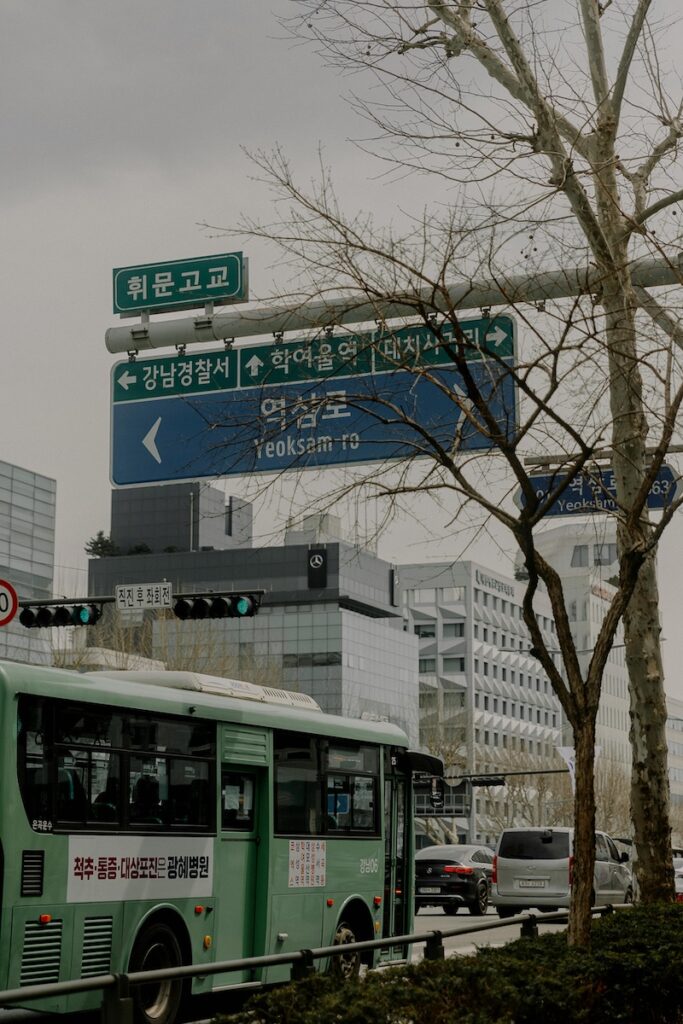
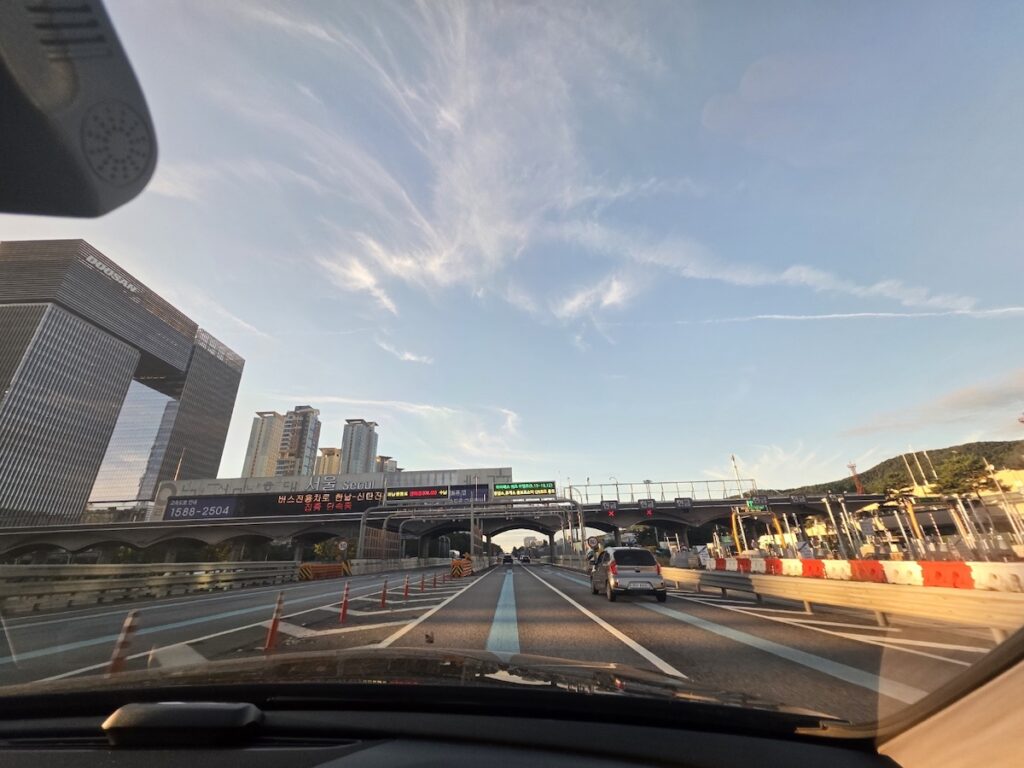
The journey from Seoul to Jeonju is a classic route, but for a first-timer, the starting point—Seoul Express Bus Terminal—can be a chaotic labyrinth. While most guides offer a simple map, they fail to explain the sheer scale of this transport hub, where the Gyeongbu Line and Honam Line (Central City) create two distinct worlds. To travel Korea on a budget effectively, you must master the art of navigating this “city within a city” before you even step onto the bus.
The Chaos of Three Lines: Arriving at Express Bus Terminal Station
Before you see a bus, you will encounter the “Subway Hell” of Express Bus Terminal Station. This is where Lines 3, 7, and 9 collide. Thousands of people rush through these corridors, flanked by the massive Shinsegae Department Store.
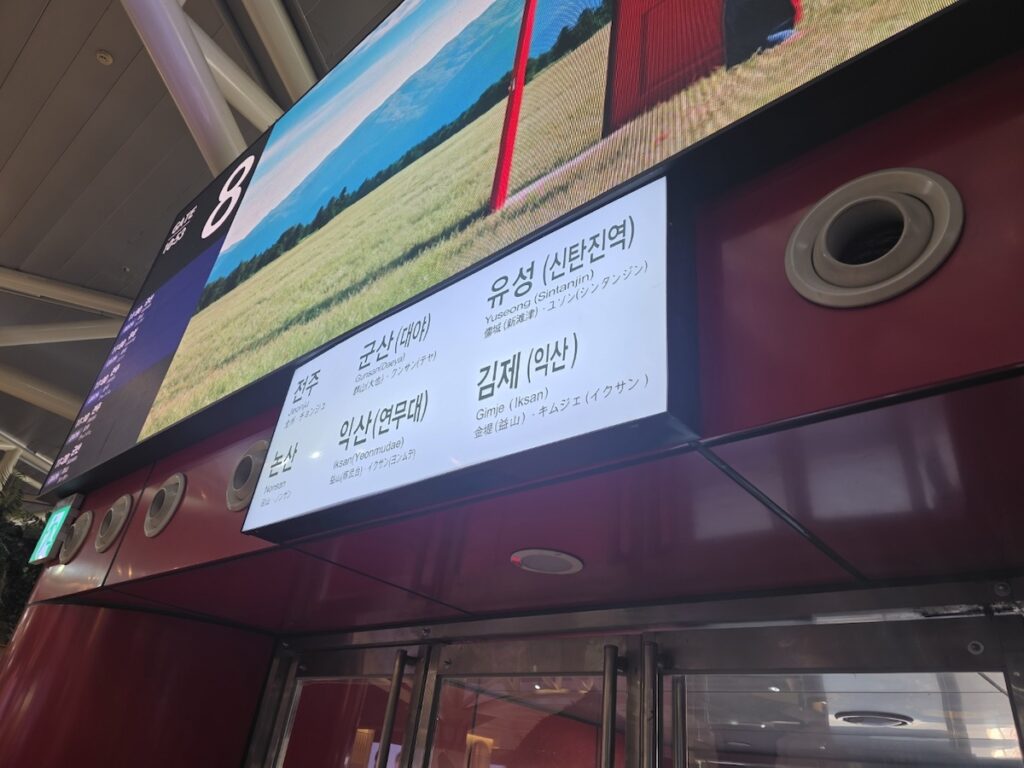
Citygram Tip: If you are heading to Jeonju, you must follow the signs for “Honam Line” (Central City). Do not get confused with the Gyeongbu Line, which serves different regions. The walk from the subway exit to the ticket hall can take 10 minutes of intense maneuvering through the crowd.
Ticket Mastery: Using the Express Bus Kiosk in English
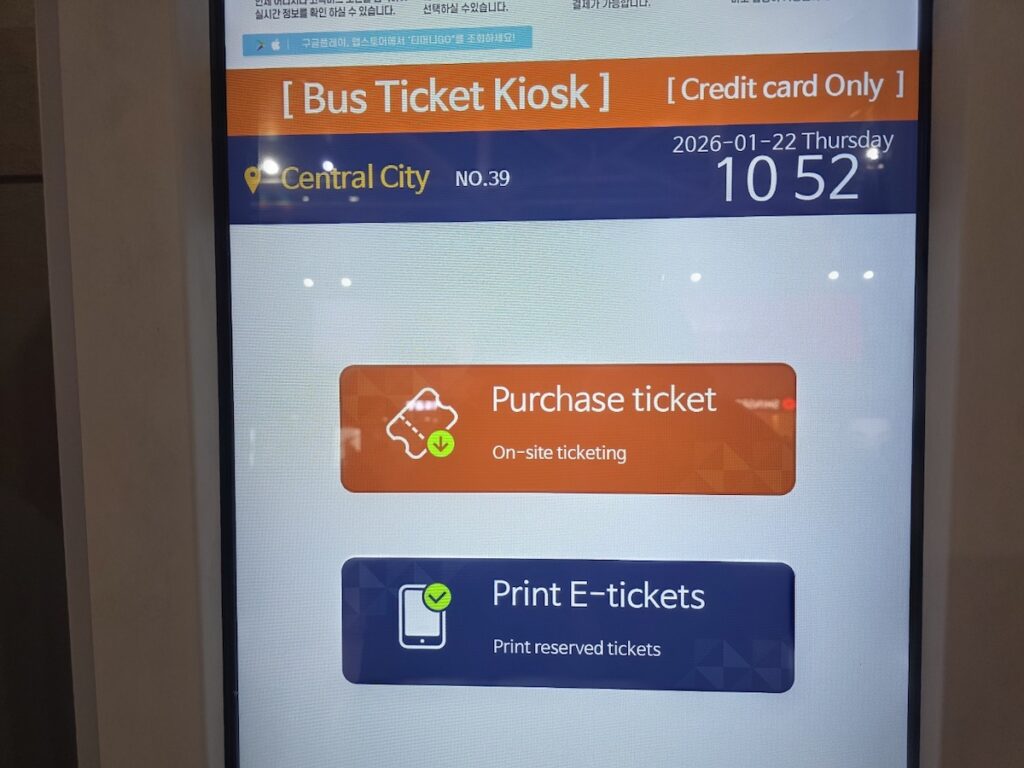
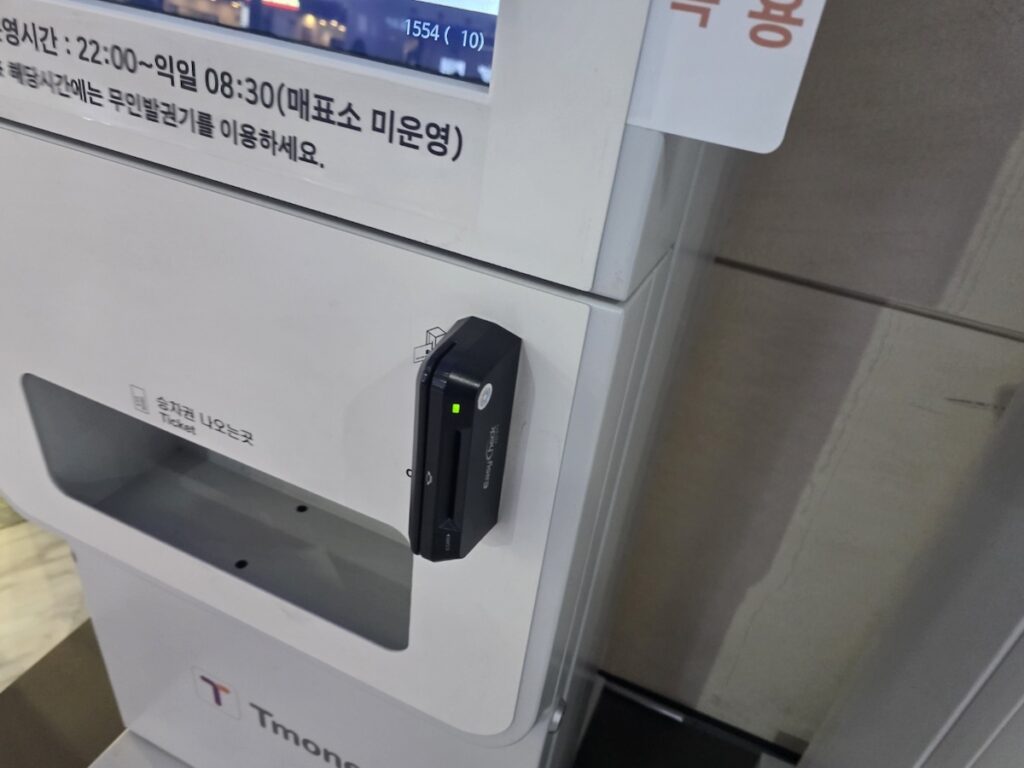
In 2026, efficiency is everything. You don’t need to wait in line at the counter. Look for the rows of modern machines. The Express Bus Kiosk in English is surprisingly intuitive.
- Select “English” on the home screen.
- Choose your destination (Jeonju).
- Select your seat class: Premium (luxurious), Excellent (spacious), or General (budget).
- Pay with your international credit card.
Strategic Bathroom Location: Before you head to the gate, remember this: the restrooms in Central City are located at the far ends of the 1st floor. If you are in the middle of the terminal, you have a long walk ahead of you. Plan accordingly.
The Code of the Road: Bus Etiquette and Secret Tips
Once you find your platform and board the bus, a new set of unwritten rules begins. A Korean express bus is a temple of silence and punctuality.
- The Silent Symphony: Set your phone to vibrate. If you must take a call, keep it whisper-quiet and under a minute.
- The Scent Rule: While you can bring a drink, avoid eating food with strong odors (like burgers or fried chicken). The closed air circulation means your snack becomes everyone’s business, and you may face polite but firm complaints.
- The “Emergency” Signal: If you find yourself in a bathroom emergency while on the highway, don’t panic. You can approach the driver and politely ask for the next rest area. They are trained to stop at the nearest available facility for passenger comfort.
- Track Your Progress: Look at the digital monitor above the driver. It displays the Estimated Arrival Time (ETA) in real-time, calculated by GPS and highway traffic data.
The “Zero-Second” Rule: Why 13:00 Means Exactly 13:00
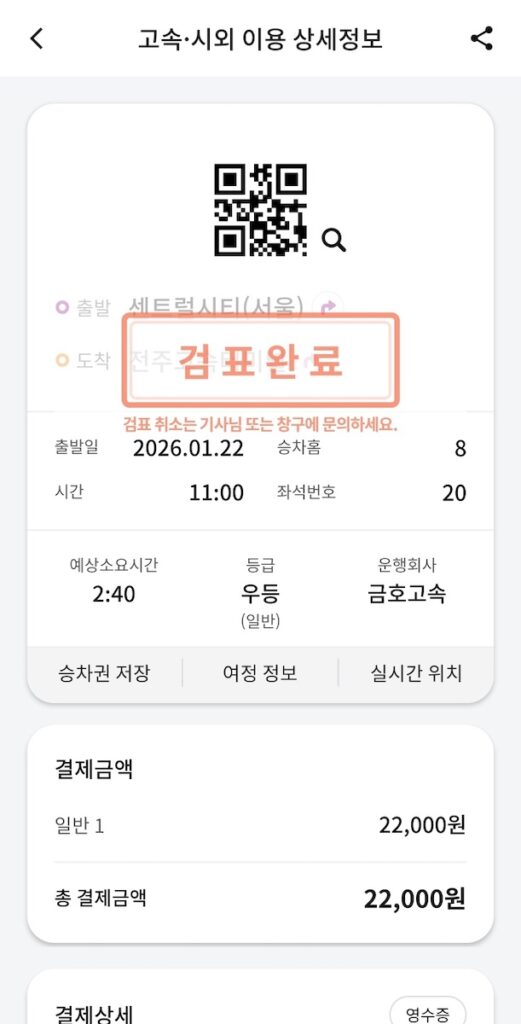
In the world of Korean logistics, time is a sacred contract. A recent viral debate in Korea centered on a passenger who arrived at the departure gate at 13:00:50 for a 13:00 bus. By the time they reached the platform, the bus was already merging into traffic. The hard truth for travelers is this: 13:00 in Korea means 13:00:00.
Unlike airlines, there is no “boarding closes 10 minutes prior” buffer. The wheels start turning the second the clock strikes the departure time. Drivers prioritize punctuality to navigate the tightly calculated highway schedules and traffic patterns. For a smooth experience, the Citygram rule is simple: be in your seat five minutes early. Being 50 seconds late isn’t a “near miss”—it is a missed journey.
High-Tech Boarding: The QR Check-in and Assigned Seating
Entering a Korean express bus feels more like boarding a digital pod than a coach. Next to the driver, you will see a sophisticated monitor displaying a seat map. As you board, you must scan the QR code from your paper ticket or the T-money GO app.
The moment you scan, a voice confirms your seat number, and the digital map on the monitor instantly updates to show you have “checked in.” This is why sitting in your assigned seat is non-negotiable. If you occupy a random empty seat, the system will flag it as “unoccupied,” leading to an awkward confrontation when the rightful ticket holder boards at a subsequent stop. This real-time synchronization ensures that the driver knows exactly how many passengers are on board at all times.
Choosing Your Class: Premium, Excellent, and General
To travel Korea on a budget, you must understand the three tiers of bus classes. Each offers a different level of technology and comfort:
- Premium (First Class on Wheels): These buses feature only 21 seats that recline up to 160 degrees. You get individual privacy curtains, a personal entertainment screen, and a wireless charging pad.
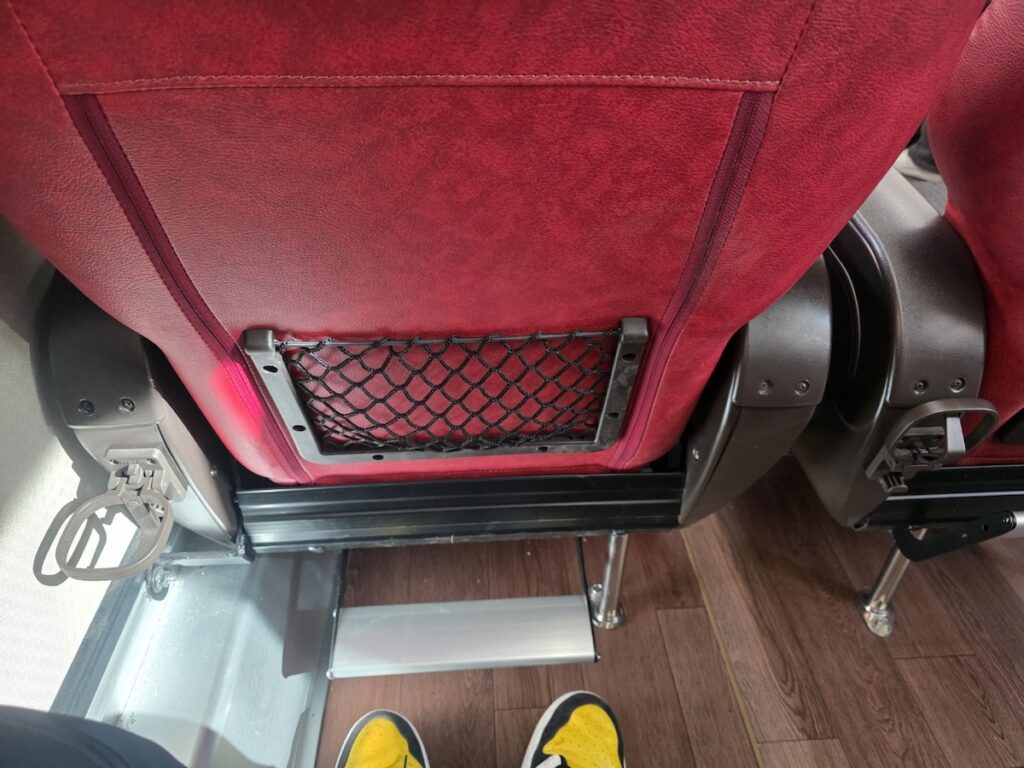
- Excellent (U-deung): The most popular choice for long-distance trips like Seoul to Jeonju. It features a 2+1 seating layout, providing ample legroom and a footrest.
- General (Il-ban): The most economical option with a standard 2+2 layout. It is perfect for shorter trips where budget is the priority.
A Technical Note on Charging: While most Excellent and Premium buses offer USB ports, many older models still utilize the legacy 5-pin (Micro USB) standard or offer low-voltage output. While some modern Premium buses have wireless charging, it is highly recommended to carry a Type-C cable with a portable power bank or a car adapter to ensure your devices stay powered during the 3-hour journey to Jeonju.
Why This Station Matters: The Gateway to the South
Strategically located at the very start of the Gyeongbu Expressway, this terminal is the artery that pumps travelers from the heart of Seoul to the rest of the peninsula. Whether you are enjoying the high-tech USB charging ports at your seat or watching the Seoul skyline fade away, you are participating in a highly synchronized system of Korean mobility.
Action Plan (The Citygram Finale)
- Apps: Download the “T-money GO” app to check real-time schedules and book seats.
- Time: Arrive at the Express Bus Terminal Station (Line 3, 7, 9) at least 30 minutes before departure to navigate the crowds.
- Check: Confirm your terminal is Central City (Honam Line) if you are heading to the Jeolla region (Jeonju).
- Board: Have your QR code ready and scan it on the driver’s monitor to check in.
## Related Guides: Master Your Seoul Survival Skills
If you found the Seoul Express Bus Terminal Guide helpful for your journey to Jeonju, you may also need these strategic guides to navigate other complex hubs and saving opportunities in Korea:
- [Seoul Subway Kiosk Guide: 5 Rules to Save Your Money and Time] Before you arrive at the Express Bus Terminal, ensure you know how to top up your T-money card or issue a single-journey ticket without getting lost in the UI.
- [The Ultimate Jamsil Station Transfer Guide: Subway Line 8 & Bus Center (2026)] If your travels take you to the eastern part of Seoul, Jamsil is another massive hub you must master. Learn the shortcuts between Line 8 and the underground bus center.
- [Jongno 5-ga Pharmacy Street: 3 Strategic Reasons to Navigate Seoul’s Medical Mecca] Long bus rides can sometimes lead to motion sickness or fatigue. Stop by the famous pharmacy street in Jongno to stock up on travel essentials at the best prices in the city.