Templestay in Korea is not just a place to sleep inside a Buddhist temple. For many foreign visitors, it is a quiet way to rest, reset, and experience Korean culture at a much slower pace than the usual travel route.
Korea can be intense when you are traveling. Seoul moves quickly. Cafés are crowded. Subway stations are bright and busy. Tourist days can become a cycle of palaces, shopping streets, restaurants, photos, and navigation apps. After a while, even a good trip can start to feel noisy.
That is why templestay feels different.
A Korean templestay is not a luxury wellness resort. It is not a spa hotel. It is a cultural program inside a working Buddhist temple, where visitors may experience meditation, temple food, chanting, tea, silence, walking, and simple daily routines.
Some people search for templestay because they want rest. Some want Buddhist culture. Some want meditation or temple food. Others simply want to understand Korea beyond K-pop, shopping, nightlife, and tourist attractions.
This guide explains how templestay in Korea works, what to expect, how much it may cost, how to book, and what foreigners should know before joining a program.
Quick Answer: What Is Templestay in Korea?
Templestay is a cultural experience program that allows visitors to stay at or visit a Korean Buddhist temple and experience parts of temple life. The official Templestay site describes it as a program for understanding Korean traditional culture and Korean Buddhism through activities such as temple tours, meditation, chanting, tea, and Buddhist meals.
For first-time foreign visitors, the easiest way to understand it is this:
| Question | Short Answer |
|---|---|
| Is templestay only for Buddhists? | No, many visitors are not Buddhist |
| Is it a hotel? | No, it is a cultural and spiritual program |
| Can foreigners join? | Yes, many programs welcome foreign visitors |
| Is English always available? | Not always; check each program before booking |
| Is it relaxing? | It can be, but schedules may still be structured |
| Is it vegetarian? | Temple meals are usually plant-based and simple |
| Where do you book? | The official Templestay website is the safest starting point |
| Is Seoul possible? | Yes, but mountain temples offer a different atmosphere |
The most important thing to know is that templestay programs vary by temple, date, language support, duration, and style. Always check the official program page before making a plan.
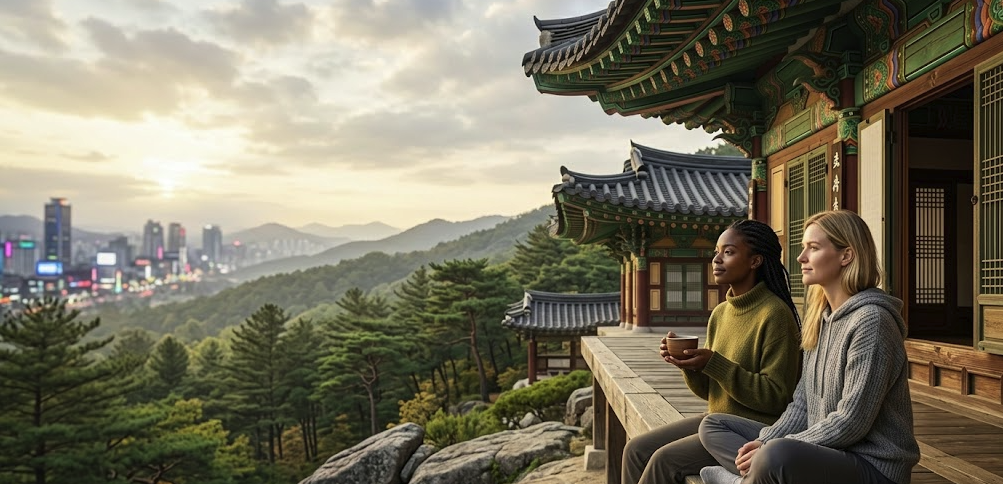
Why People Search for Templestay in Korea
People do not search for templestay for only one reason.
Some are tired. Some are curious. Some want meditation. Some want a cultural experience that feels more meaningful than a tourist attraction. Some simply want to know the cost, location, and booking method.
Three Common Search Intentions
| Search Type | What the Visitor Wants | What They Usually Search |
|---|---|---|
| Rest-oriented | Quiet, recovery, digital detox, emotional reset | do nothing but relax, rest program, temple retreat |
| Experience-oriented | Buddhist culture, meditation, 108 bows, temple food | Korean temple stay, Buddhist meal, meditation retreat Korea |
| Practical seeker | Price, booking, English support, location | templestay in Korea cost, how to book, templestay for foreigners |
This matters because the best temple for one person may not be the best temple for another.
A traveler who wants deep silence may not enjoy a busy urban temple. A first-time visitor who is nervous about transportation may prefer a temple in Seoul. A person interested in Buddhist practice may want a more structured meditation program. A tourist with only one free afternoon may prefer a one-day experience instead of an overnight stay.
Templestay Is Becoming More Popular
Templestay is no longer a small niche activity. In 2025, a record 349,219 people participated in temple stay programs in Korea, including 55,515 foreign visitors, according to figures reported by the Jogye Order of Korean Buddhism. The program was offered at 158 temples nationwide.
This growth makes sense.
Korean culture has become more visible around the world, but not every traveler wants only concerts, shopping, cafés, and restaurants. Some visitors want a quieter form of Korea. Templestay fits that need because it combines traditional culture, wellness, vegetarian temple food, meditation, and a slower rhythm.
Visit Korea also describes Templestay as a way to experience Korean Buddhist daily life, rituals, and spirituality, and notes that it has gained attention with the growing interest in mind-body wellness and Korean-style vegetarian temple food.
What Makes Korean Templestay Different?
It Happens Inside a Working Temple
A templestay is different from visiting a temple for photos.
During a normal temple visit, you may walk around, take pictures, look at the buildings, and leave after 30 minutes. During a templestay, you enter the rhythm of the temple more deeply.
You may follow a schedule. You may eat temple food. You may join meditation. You may learn how to bow. You may listen to a monk or staff member explain temple culture. You may sleep in a simple room. You may be asked to reduce noise and respect temple rules.
The temple is not a theme park. It is a religious space.
That is what makes the experience meaningful, but also why visitors should arrive with realistic expectations.
It Is Often About Doing Less
Many travel experiences are built around doing more: more restaurants, more attractions, more photos, more shopping, more movement.
Templestay can feel like the opposite.
You may not do very much in the ordinary tourist sense. You may sit. Walk slowly. Eat quietly. Wake up early. Drink tea. Watch the mountains. Listen to a bell. Sleep earlier than usual.
For some visitors, that simplicity is the best part.
For others, it may feel too quiet.
This is why you should choose the program type carefully.
Types of Templestay Programs
Templestay programs vary by temple, but they often fall into a few broad categories.
Rest-Oriented Programs
Rest-oriented programs are for people who want quiet time rather than a full schedule.
These may include more free time, simple meals, light meditation, walking, or optional activities. If you are burned out, overstimulated, or tired from travel, this may be the best type to search for.
This style is often closer to a digital detox. You are not forced to have a life-changing experience. You are simply given space to slow down.
Experience-Oriented Programs
Experience-oriented programs are more structured.
They may include:
- temple tour
- meditation
- chanting
- 108 prostrations
- Buddhist meal etiquette
- tea ceremony or tea conversation
- walking meditation
- making lotus lanterns or prayer beads
- temple food experience
This type is better if you want to actively learn about Korean Buddhist culture.
One-Day Programs
One-day programs are useful if you do not want to sleep at the temple.
They may last a few hours and include a temple tour, meditation, tea, or a cultural activity. This can be a good option for travelers who are curious but not ready for an overnight stay.
Overnight Programs
Overnight programs usually include accommodation, meals, and a more complete schedule.
This is the classic templestay experience, but it requires more preparation. You need to check arrival time, sleeping arrangements, clothing rules, meals, wake-up time, and language support.
What Happens During a Typical Templestay?
Every temple is different, but many templestay programs include a few common elements.
Orientation
Most programs begin with an orientation. Staff may explain the schedule, temple rules, room assignments, meal times, and basic etiquette.
This is important because visitors may not know how to behave inside a Korean temple. You may learn where to remove shoes, when to be quiet, how to bow, where photos are allowed, and how to join activities respectfully.
Temple Tour
A temple tour helps you understand the buildings and symbols around you.
You may learn about the main Buddha hall, pagodas, bells, prayer spaces, temple gates, and the meaning of certain Buddhist images.
This is useful because many foreign visitors see temple architecture without understanding what they are looking at.
Meditation
Meditation may be part of the program, but the style depends on the temple.
Some programs include seated meditation. Others may include walking meditation or quiet reflection. The purpose is not to perform perfectly. It is to slow down and observe your mind.
If you are new to meditation, do not worry. Most beginner-friendly programs explain the basics.
108 Prostrations
Some programs include 108 bows or prostrations.
This can be physically challenging, especially if you are not used to it. It is not just exercise. In Buddhist practice, bowing can be connected to humility, reflection, and letting go of ego.
Not every program includes 108 prostrations, so check the schedule if this is something you want to try or avoid.
Temple Food
Temple food is often one of the most memorable parts of templestay.
Korean Buddhist temple food is generally plant-based and avoids meat and fish. It may also avoid strong aromatics depending on the temple tradition. The food is usually simple, seasonal, and connected to ideas of moderation and respect for ingredients.
Visit Korea has described Korean temple food as gaining global attention as part of wellness and sustainable cuisine.
Do not expect restaurant-style luxury. The appeal is in simplicity.
Korean temple food is usually simple, seasonal, and plant-based. If this slower style of eating interests you, traditional Korean meals such as siraegi rice can also show how humble ingredients become deeply comforting in Korean food culture.
Tea and Conversation
Some programs include tea with a monk or temple guide.
This can be one of the most human parts of the experience. Visitors may ask questions about Buddhism, stress, daily life, meditation, or Korean culture.
The tone is usually gentle and reflective rather than academic.
How Much Does Templestay in Korea Cost?
Templestay costs vary by temple, program type, room type, meals, activities, season, and special events.
Because prices change, you should always confirm the final cost on the official reservation page before booking.
As a rough planning guide:
| Program Type | Typical Duration | What to Expect |
|---|---|---|
| One-day experience | A few hours | Temple tour, tea, meditation, cultural activity |
| Overnight templestay | 1 night / 2 days | Room, meals, meditation, temple schedule |
| Rest program | 1 night or more | More quiet time, fewer structured activities |
| Experience program | 1 day or overnight | More cultural and Buddhist activities |
| Special program | Limited dates | Seasonal, holiday, foreigner-focused, or themed programs |
Some programs may be surprisingly affordable compared with hotels or retreats, but the value should not be judged only by price. You are paying for a cultural experience, temple meals, guidance, and access to a religious space.
How to Book Templestay in Korea
Use the Official Templestay Website
The safest starting point is the official Templestay website. It lists temples, programs, dates, locations, prices, and reservation information. The official site explains that Templestay offers programs where visitors can engage in Buddhist lifestyle and culture at a temple for a certain period.
Before booking, check:
- temple location
- program date
- program type
- one-day or overnight format
- English support
- price
- check-in time
- cancellation rules
- meals
- what to bring
- whether the temple is easy to reach by public transportation
Do Not Assume English Support Is Always Available
Some templestay programs are foreigner-friendly, but that does not mean every date or every activity will be fully in English.
Before booking, look carefully for language information. If English support is important, contact the temple or choose a program clearly designed for foreign visitors.
Book Earlier for Weekends
Weekend programs can fill up, especially during spring, autumn, holidays, and peak travel seasons.
If templestay is a key part of your Korea trip, do not leave booking until the last minute.
Best Regions for Templestay in Korea
Instead of thinking only about “the best temple,” it is better to think about the type of experience you want.
Seoul and Nearby Areas
Seoul-area temples are best for first-timers, short schedules, and travelers who do not want complicated transportation.
This is a good choice if you want:
- easy access
- one-day programs
- a short weekend retreat
- less travel stress
- a gentle first experience
Temples in or near Seoul may not feel as remote as mountain temples, but they are practical and beginner-friendly.
Internal link button:
Find a Temple Stay Near Seoul for a Weekend Retreat
Mountain Temples
Mountain temples can feel more immersive.
They may offer quieter surroundings, forest paths, early morning air, and a stronger sense of retreat. They are better if you want to leave the city behind and experience a more traditional atmosphere.
The tradeoff is transportation. You may need a bus, taxi, train, or more careful planning.
Historic Regions
Places such as Gyeongju, Hapcheon, Busan, or other regional temple areas can combine templestay with history, nature, and local travel.
This can be a good option if you want templestay to be part of a longer Korea itinerary instead of a short Seoul break.
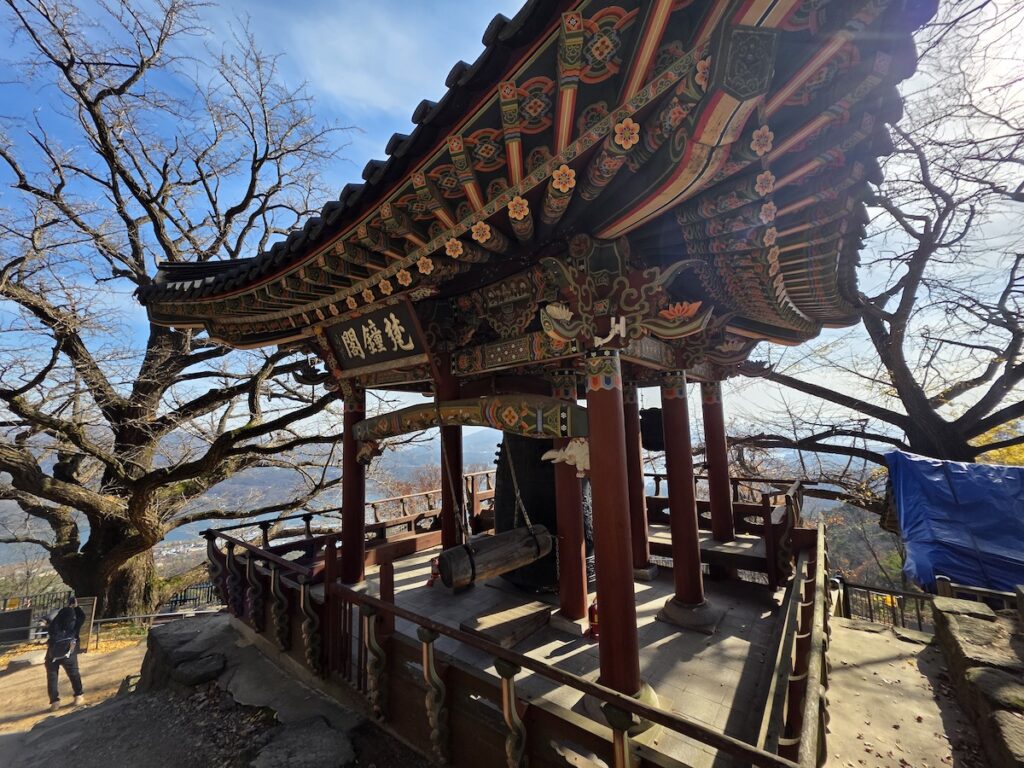
Templestay Near Seoul vs Mountain Temples
Many foreigners wonder whether they should choose a temple near Seoul or travel farther.
There is no single right answer.
| Choice | Better For | Tradeoff |
|---|---|---|
| Temple near Seoul | First-timers, short trips, easy access | Less remote atmosphere |
| Mountain temple | Quiet, nature, deeper retreat feeling | More planning and travel time |
| One-day program | Curious visitors, tight schedules | Less immersive |
| Overnight stay | Slower experience, temple rhythm | Requires more time and flexibility |
If you are nervous, start near Seoul.
If you already know you want quiet, nature, and a stronger retreat feeling, consider a mountain temple.
Temple Etiquette Foreigners Should Know
You do not need to be Buddhist to join templestay. But you do need to respect the temple.
Dress Modestly
Wear simple, comfortable clothes. Avoid clothing that is too revealing, flashy, or uncomfortable for sitting and walking.
Some programs may provide temple clothing, but you should still bring modest layers.
Keep Your Voice Low
A temple is a quiet place. Speak softly, especially near prayer halls, meditation rooms, and residential areas.
Follow the Schedule
Templestay programs often run on a schedule. Arrive on time and follow instructions from staff or monks.
Ask Before Taking Photos
Some areas may allow photos, while others may not. Avoid taking photos during ceremonies unless clearly permitted.
Respect Temple Food
Take only what you can eat. Try not to waste food. Meals may be simple, but they are part of the practice.
What to Bring
For an overnight templestay in Korea, bring practical items rather than too much luggage.
Useful items include:
- comfortable clothes
- socks
- personal toiletries
- small towel if needed
- phone charger
- light jacket
- medication
- passport or ID
- reusable water bottle
- quiet attitude
Avoid strong perfume, loud clothing, large suitcases if possible, and anything that makes shared spaces uncomfortable.
Common Mistakes First-Timers Make
Expecting a Hotel
Templestay is not a hotel stay. Rooms may be simple, schedules may be fixed, and comfort may be basic.
If you expect hotel service, you may be disappointed.
Choosing Only by Famous Temple Name
A famous temple is not always the best fit for your schedule, language needs, or travel style.
Choose by program type, access, date, and comfort level.
Ignoring the Schedule
Some programs include early morning activities. If you strongly dislike early mornings, check the schedule before booking.
Assuming All Programs Are in English
Do not assume English support unless the program clearly says so.
Overpacking
Temple stays are usually simple. Bring what you need, but do not bring too much.
Treating It Like a Photo Spot
Photos can be part of the experience, but templestay is not mainly about photography. Respect the space first.
Is Templestay in Korea Worth It?
Templestay in Korea is worth trying if you want a slower, quieter, and more reflective experience than ordinary sightseeing.
It may be especially meaningful if you are looking for:
- rest
- digital detox
- meditation
- temple food
- Buddhist culture
- silence
- a break from city travel
- a different side of Korean life
It is not the right choice if you only want comfort, nightlife, shopping, or a flexible hotel-style weekend.
The best way to enjoy it is to arrive with modest expectations. Do not expect a perfect spiritual transformation. Do not expect entertainment every hour. Let the experience be simple.
That simplicity is often the point.
Final Thoughts
Templestay in Korea has become popular because it answers a need that ordinary travel does not always meet.
Many visitors come to Korea for food, music, fashion, shopping, history, and city life. But some eventually want silence. They want to stop planning for a moment. They want a place where the day is structured, the food is simple, and the phone becomes less important.
A Korean templestay offers that possibility.
It is part cultural experience, part wellness retreat, part Buddhist introduction, and part quiet pause. For foreigners, it can also be one of the clearest ways to see that Korea is not only fast, modern, and digital. It is also slow, disciplined, reflective, and deeply rooted in tradition.
Choose your program carefully, check the official booking details, respect the temple, and keep your expectations realistic.
You may not leave with a dramatic story. But you may leave with something more useful: a quieter mind, a better understanding of Korean culture, and a memory of Korea that feels very different from the rest of your trip.