1. Introduction: More Than Just a Drink
“In this Korean Pub Culture Guide, we’ll explore the unique features of Seoul’s nightlife that every expat should know.”
Walking into a Korean pub (or Sool-jip) for the first time can be a high-tech and surprisingly generous experience. Unlike bars in many Western countries where you pay for every peanut, Korean drinking culture is built on the concept of “Jeong” (warm-heartedness) and extreme digital efficiency. If you want to drink like a local in Seoul, you need to understand the “Free Snack” rule and the power of the “Table Kiosk.”
2. Korean Pub Culture Guide: The Magic of “Giban-Anju”: Why You Never Drink on an Empty Stomach in Korea
In many countries, ordering a drink means just getting a drink. In Korea, it’s an invitation to a mini-feast.
- The Psychology of Generosity: Giban-Anju (basic snacks) represents the Korean concept of Jeong. It ensures that guests feel welcomed immediately, even before their main dish arrives.
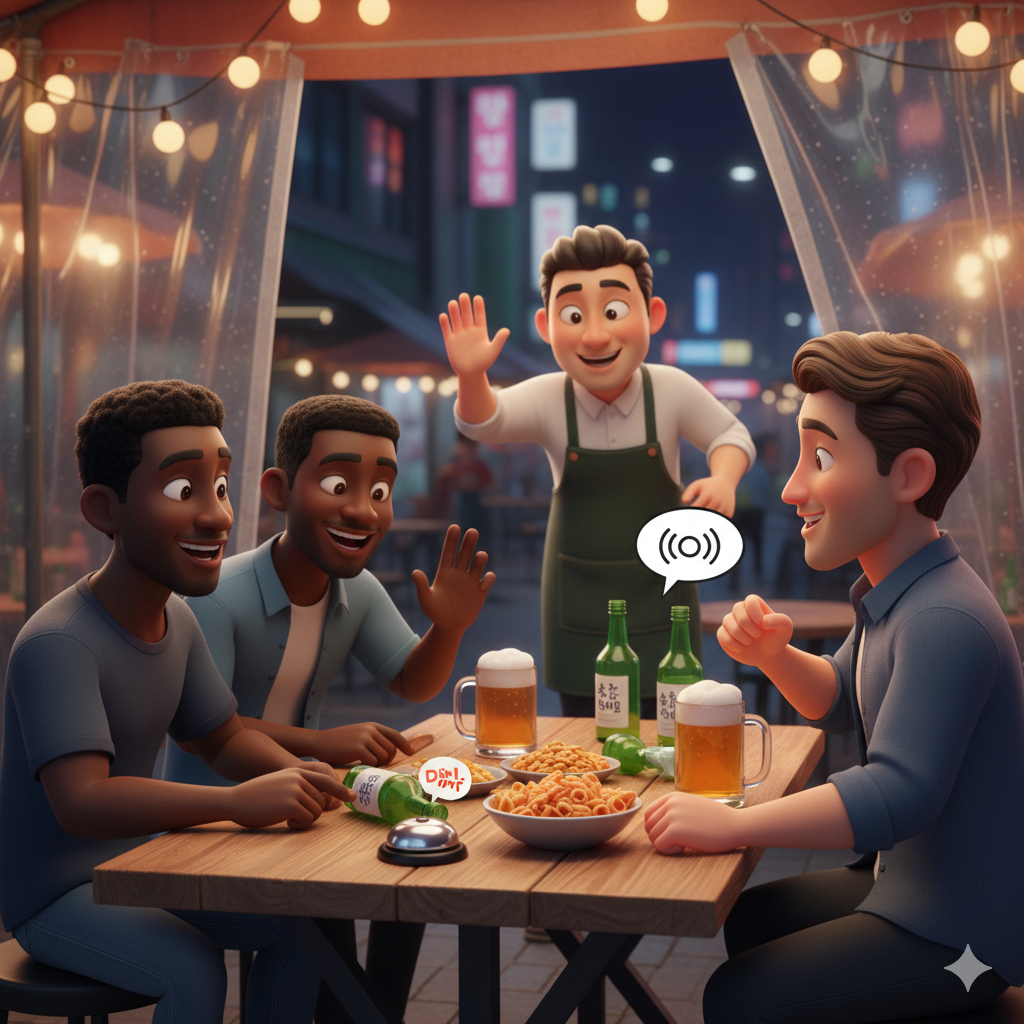
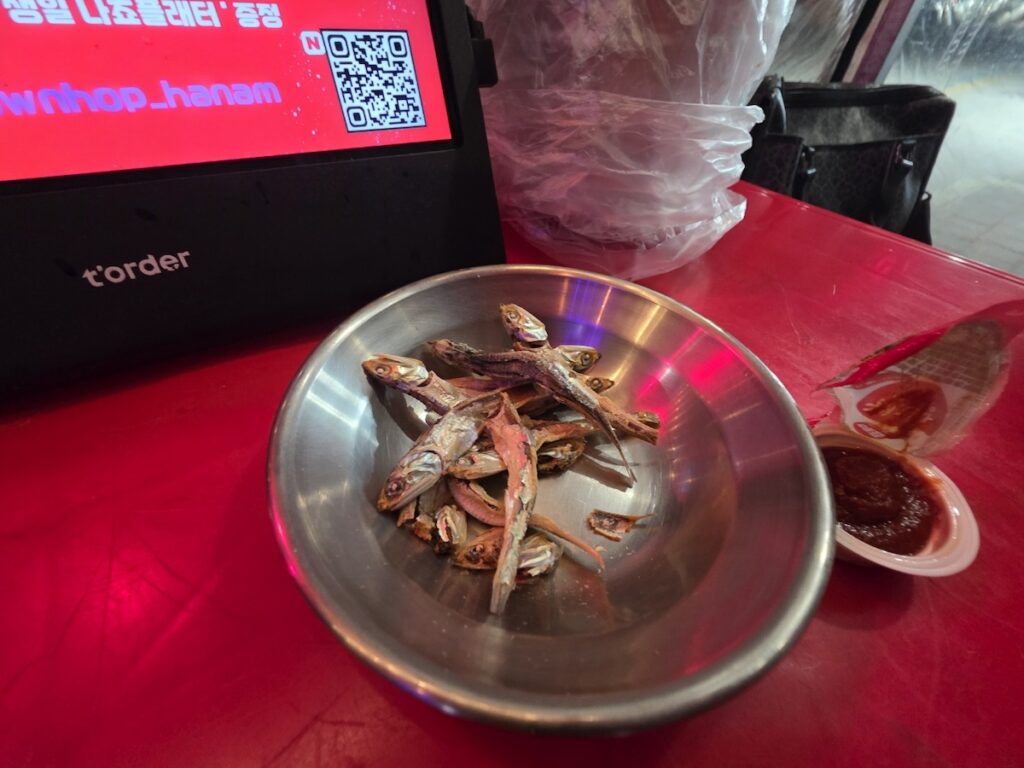
- The Variety Pack: While the colorful “Macaroni” crackers are the most common, high-end pubs might serve seasoned seaweed, steamed corn, or the classic dried anchovies with spicy gochujang dip seen in our exclusive Citygram photos.
- Strategic Refills: These snacks are typically “unlimited.” However, the pro tip is to wait until your bowl is about 80% empty before asking for more—this keeps the flow of the table natural and ensures the snacks stay fresh and crunchy.
- Perfect Pairings: Did you know certain free snacks are paired with specific drinks? Salty nuts or crackers usually accompany beer, while warm soups or pickled radishes are often served with Soju to cleanse the palate between shots.
3. T-Order Revolution: Mastering the High-Tech Table Kiosk
Korea’s “Pali-Pali” (hurry-hurry) culture has birthed the world’s most efficient ordering system.
- Breaking the Language Barrier: For expats, the greatest fear is misordering or not knowing what a dish is. T-Order kiosks solve this with high-resolution photos for every single item. Most systems now feature a “Language” button at the top right, offering English, Chinese, and Japanese.
- Customization at Your Fingertips: Need extra ice? More water? Another set of chopsticks? Instead of waiting for a busy server to make eye contact, you can find these “service” items directly on the kiosk screen under a dedicated tab.
- The “Dutch Pay” Helper: Many modern kiosks allow you to see a split-bill calculation in real-time. This is a lifesaver for groups of digital nomads or travelers who need to track their individual spending during a long night of drinking.
- Beyond Ordering: Some kiosks even allow you to message other tables (with consent) or participate in “Instant Auctions” where the house offers a bottle of premium alcohol to the highest bidder through the screen.
4. The “Call” Button: The Secret to Stress-Free Service
Westerners often find it rude to “summon” a server with a button, but in Korea, it is the height of politeness.
- Efficiency Over Ego: Servers in Korea are often managing dozens of tables at once. The “Call” button removes the guesswork for them. When you press it, your table number flashes on their smartwatch, allowing them to prioritize their movements.
- Silent vs. Sound: Some buttons are silent, while others make a distinct “Ding-Dong” sound. Don’t be alarmed—it’s a signal of service, not a nuisance.
- When to Press: Use the button for specific requests that aren’t on the kiosk, like asking for the restroom location, requesting a blanket, or if a spill occurs.
- The Cultural Hack: If you don’t see a button on the table, look at the sides of the table or even on the wall nearby. It’s always there, waiting to make your life easier.
5. Conclusion: Your Next Mission in Seoul
Now that you hold the “keys to the kingdom,” don’t just read about it—go experience it!
- Your Challenge: This weekend, find a local Pocha (street-style pub) in an area like Euljiro or Hapjeong. Order one bottle of local craft beer, enjoy the free snacks, and try out the T-Order system yourself.
- The Pro Move: Try to use the “Call” button at least once to ask for “Mul” (water)—it’s the perfect, low-stakes way to practice your K-Pub skills.
- Share the Love: If you find a place with an exceptionally cool kiosk or unique free snacks, tag #CitygramSeoul in your photos! Mastering these small cultural nuances is what transforms a tourist into a true Seoulite.