Is Seoul safe from pickpockets? The honest answer is yes, Seoul is generally very safe, but that does not mean tourists should treat the city like nothing can ever happen.
This is one of the strange things about traveling in Korea. Seoul often feels safer than many other major cities. You can walk through bright streets late at night, see people using expensive phones openly on the subway, and notice students leaving laptops on café tables while they order another drink. The city has a kind of everyday confidence that can surprise first-time visitors.
But that feeling can also become a trap.
When a city feels safe, travelers relax. They hang bags on chairs. They leave phones on tables. They put wallets in loose coat pockets. They drink more than planned in Hongdae or Itaewon. They place shopping bags beside their feet in Myeongdong. They arrive at Seoul Station tired from a flight and stop paying attention to their luggage.
Most trips to Seoul will be completely fine. But if something does go wrong, it is more likely to be a small, quiet, opportunistic problem than a dramatic street crime.
That is why the real Seoul safety question is not simply, “Is Korea safe?” A better question is: What kind of safety habits should tourists keep in Seoul, even when the city feels comfortable?
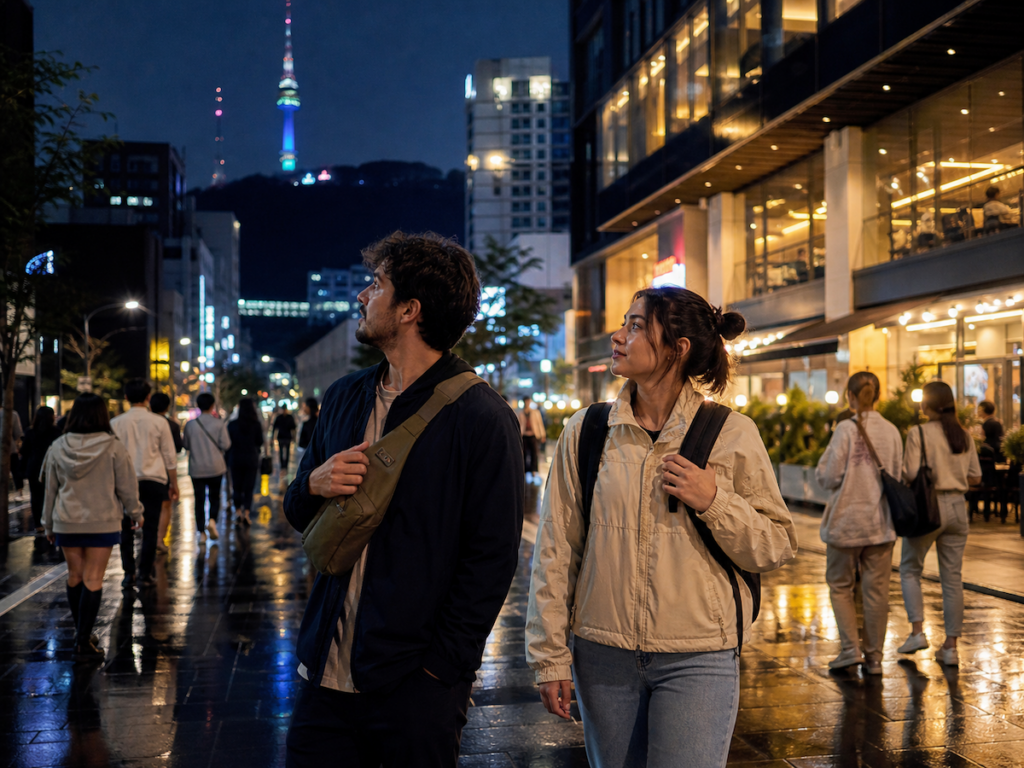
Quick Answer: Is Seoul Safe from Pickpockets?
Seoul is generally safe from pickpockets compared with many major tourist cities, and South Korea is widely considered a low-crime destination for most visitors. However, petty theft can still happen, especially in crowded markets, nightlife districts, shopping areas, tourist sites, hotels, and busy transport hubs. The U.S. OSAC South Korea security report notes that common crimes include pocket picking, purse snatching, and thefts from hotel rooms or homes, with higher risk in major metropolitan tourist areas and crowded markets. Travelers should stay relaxed, but not careless. Keep your phone, wallet, passport, and bags under control, especially in Myeongdong, Hongdae, Itaewon, Gangnam, markets, stations, and late-night drinking areas.
Seoul Feels Safe, and That Is Part of the Problem
Seoul’s safety is one of the reasons people enjoy traveling here.
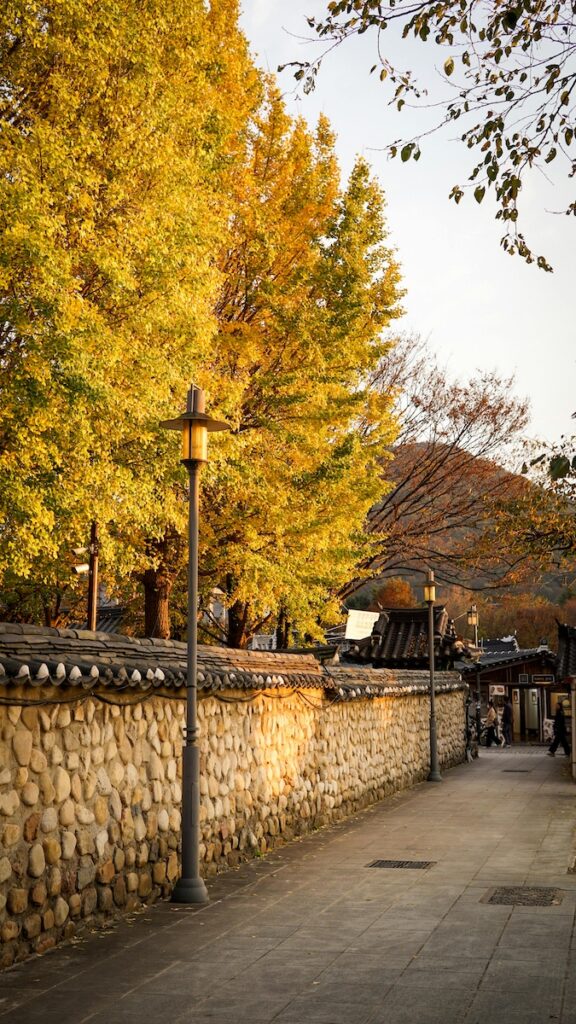
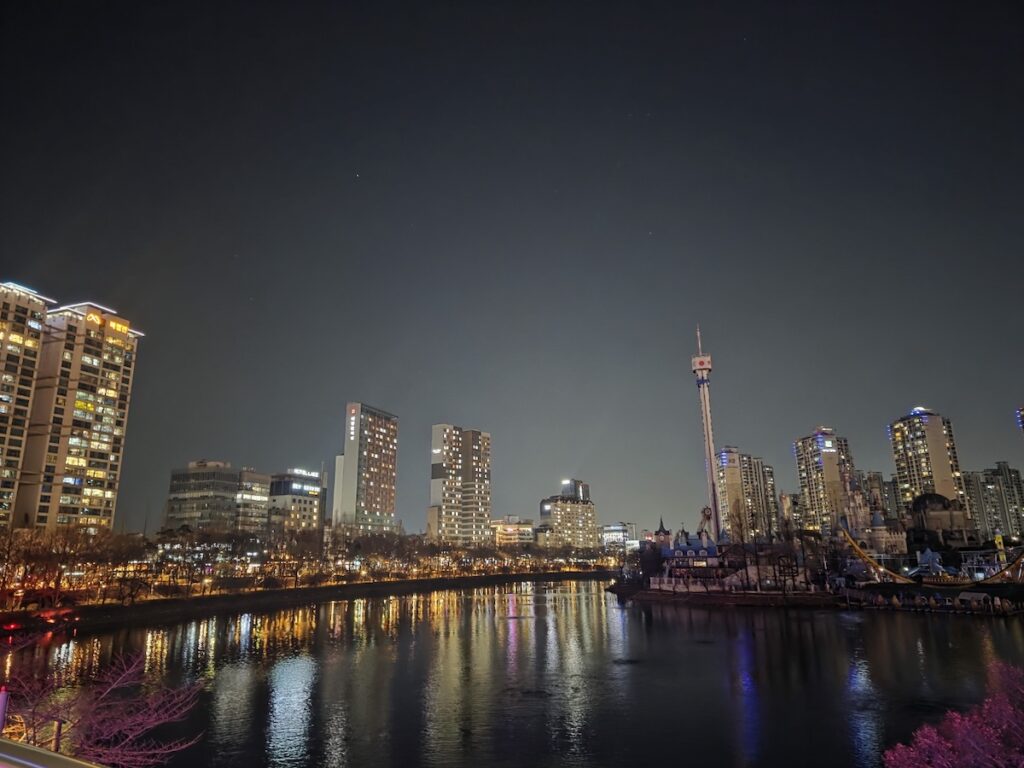
Many visitors notice it quickly. The subway feels orderly. Streets are well lit in busy districts. Convenience stores stay open all night. People walk alone after dinner. Cafés are full of students, workers, couples, and travelers using laptops and phones. Compared with cities where people constantly warn you about pickpockets, Seoul can feel unusually relaxed.
That relaxed atmosphere is real.
But visitors should be careful not to copy every local habit without understanding the context. A Korean office worker leaving a laptop on a café table for two minutes may know the neighborhood, the café layout, and the local social expectations. A tourist with a passport, cash, foreign cards, and no Korean phone number is in a different situation.
For a tourist, losing a wallet in Seoul is not just losing money. It may mean losing your passport, your hotel key card, your credit cards, your travel insurance documents, or the phone you need for maps, translation, transport, and emergency contact. In Korea, a small lost item can become a major travel problem because so much of the trip depends on your phone and payment cards.
So yes, Seoul feels safe. But the safer a place feels, the easier it is to become careless.
What the Data and Official Guidance Actually Say
The U.S. Department of State’s OSAC report assesses Seoul and Busan as low-threat locations for crime affecting official U.S. government interests. It also says that, by U.S. standards, crime rates throughout South Korea are low and that the country remains very safe for most visitors. That is the big picture.
But the same report adds an important detail: the most common crimes include pocket picking, purse snatching, and thefts from hotel rooms or homes, especially in major metropolitan areas, tourist areas, and crowded markets. It also notes that most crimes reported by U.S. expatriates involve non-confrontational theft.
That phrase is useful: non-confrontational theft.
It means the realistic risk for most tourists is not someone attacking you in the street. It is someone taking advantage of distraction, crowds, alcohol, open bags, unattended belongings, or a tired traveler who has stopped paying attention.
The official Seoul safe travel guide gives very simple advice for loss and theft: report the loss or theft to the nearest police station or call 112. Visit Korea’s official FAQ also lists 112 for police, 119 for fire emergencies, and 1330 Korea Travel Hotline for non-life-threatening travel help and interpretation services.
That is the practical frame for this article: Seoul is safe, but you should know what small risks look like and what number to call if something happens.
Pickpocketing in Seoul Is Not Always What Tourists Imagine
When many people hear “pickpocket,” they imagine a classic European tourist scene: someone opening a backpack on a crowded metro, a distraction trick near a famous monument, or a professional group working a busy square.
Seoul is usually not like that.
There can be pickpocketing, of course. But for many travelers, the more realistic risk is a softer category: a phone left on a café table, a bag hanging behind a chair, a wallet dropped after drinking, a passport kept in an easy-to-open pouch, a suitcase left slightly too far away in a station, or a shopping bag forgotten during a long day.
This distinction matters because Seoul’s safety atmosphere can make people behave differently from how they would behave in Paris, Rome, Barcelona, London, or New York.
In a city with a visible pickpocket reputation, tourists become defensive. In Seoul, tourists may become too relaxed.
They may think, “Everyone says Korea is safe, so it is fine.”
Usually, it is fine. But travel safety is not about the average day. It is about the one careless moment.
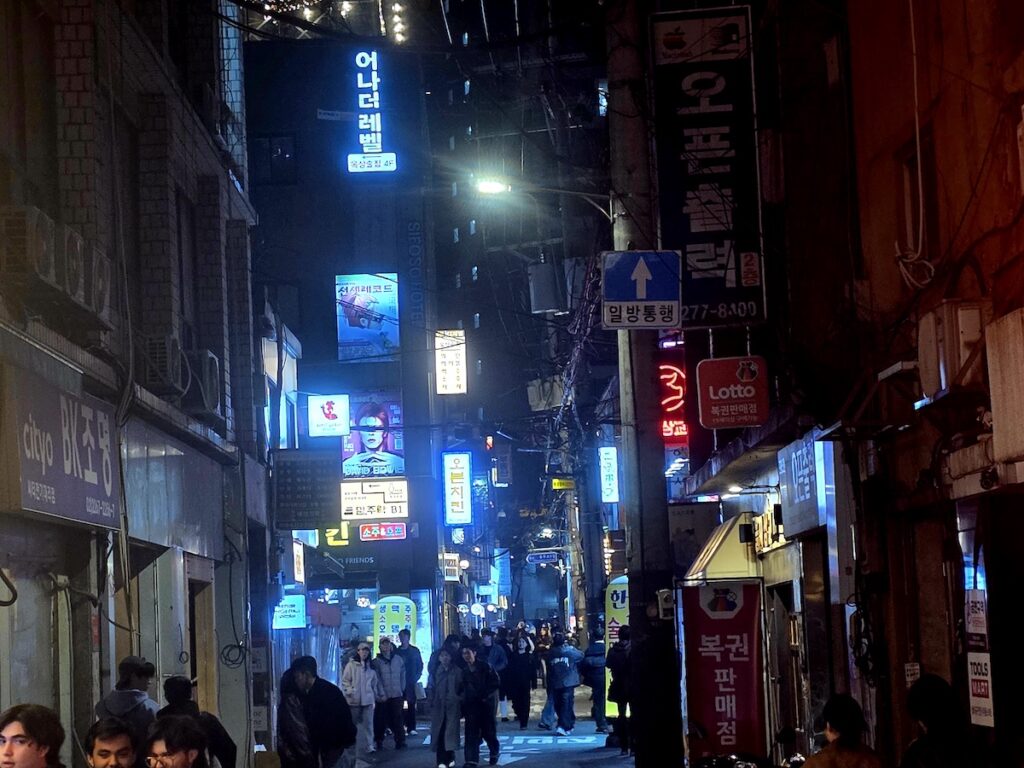
Where Tourists Should Be More Careful in Seoul
You do not need to walk around Seoul in fear. That would be the wrong feeling. But there are places where basic awareness matters more.
Myeongdong
Myeongdong is crowded, commercial, and full of visitors carrying shopping bags, phones, wallets, cosmetics, snacks, and tax-free purchases. People stop suddenly to check maps, look at street food, compare stores, or take photos. This makes it a place where distraction is easy.
Keep your bag zipped and in front of you when the street is crowded. Do not leave your phone on the edge of an outdoor table. If you are carrying many shopping bags, take a moment to reorganize before moving to the next place.
Hongdae
Hongdae is fun, young, energetic, and often crowded at night. The risk here is less about fear and more about alcohol, noise, street performances, club lines, and groups moving quickly between bars.
If you are drinking, keep your phone and wallet in the same secure place all night. Do not place them loosely on a table. If you meet new people, stay friendly but not careless. Hongdae is usually enjoyable, but late-night energy can blur your attention.
Itaewon
Itaewon has restaurants, bars, clubs, foreign crowds, embassies nearby, and a nightlife identity that feels different from many other Seoul districts. It is one of the places OSAC specifically mentions among entertainment and shopping districts where crowds, alcohol, foreigners, and other factors can raise crime risk.
This does not mean Itaewon is dangerous. It means you should behave like you would in any international nightlife area. Watch your drink, keep your bag close, use legitimate taxis or public transportation, and do not assume that the friendly atmosphere removes all risk.
Markets and Shopping Areas
Traditional markets such as Gwangjang Market, Namdaemun Market, and busy food streets can be wonderful places to experience Seoul. They are also places where hands are busy. You are holding food, taking photos, paying small amounts, and moving through narrow aisles.
A crossbody bag with a zipper is useful here. If you carry a backpack, be aware of the zipper. When eating at a stall or table, do not put your phone or wallet somewhere you would not notice it disappearing.
Seoul Station, Express Bus Terminal, and Airport Routes
Transport hubs create a different kind of vulnerability. People are tired, carrying luggage, checking tickets, looking for exits, and trying to understand signs. Seoul Station, Express Bus Terminal, major subway transfers, airport trains, and airport buses all require attention.
The main issue is not only theft. It is also simple loss. A phone left on a bench, a passport pouch dropped during a transfer, or a bag forgotten in a taxi can quickly ruin a travel day.
Before leaving a train, bus, taxi, or waiting area, make a habit of checking three things: phone, wallet, passport.
Seoul vs Other Major Tourist Cities
| Safety situation | Seoul | Many major Western tourist cities |
|---|---|---|
| General tourist safety | Usually feels very safe and orderly | Varies widely by city and neighborhood |
| Pickpocket risk | Generally lower, but possible in crowds and tourist areas | More visible or organized in some major tourist zones |
| Common tourist mistake | Becoming too relaxed because Seoul feels safe | Becoming defensive because theft warnings are common |
| Nightlife risk | Often linked to alcohol, lost items, clubs, and crowded streets | Similar, but street crime risk may feel more visible in some cities |
| Café behavior | Locals may briefly leave items unattended | Leaving valuables unattended is usually strongly discouraged |
| Best safety habit | Relax, but keep belongings controlled | Stay alert in known pickpocket zones |
This is the difference that matters. In Seoul, you do not need to be tense all day. But you should also not treat public places like your living room.
The Café Laptop Myth
Many foreigners hear that Korea is so safe that people leave laptops and phones on café tables.
There is some truth to this. You may see people leave belongings briefly while they order, go to the restroom, or pick up a drink. This is part of the everyday trust that makes Korea feel comfortable.
But tourists should be careful with this idea.
First, what you see locals do is not always what you should do. Second, short moments are different from long absences. Third, losing a laptop or phone as a traveler is much more complicated than losing one near your home. Fourth, Seoul cafés are not all the same. A quiet neighborhood café in the afternoon is different from a crowded café in Myeongdong or Hongdae on a weekend.
A simple rule is enough: do not leave your most important items unattended.
If you need to save a seat, use something less valuable, like a jacket or shopping bag with nothing important inside. Keep your phone, wallet, passport, and laptop with you.
What to Do If You Lose Something in Seoul
If you lose something in Seoul, do not immediately assume it was stolen.
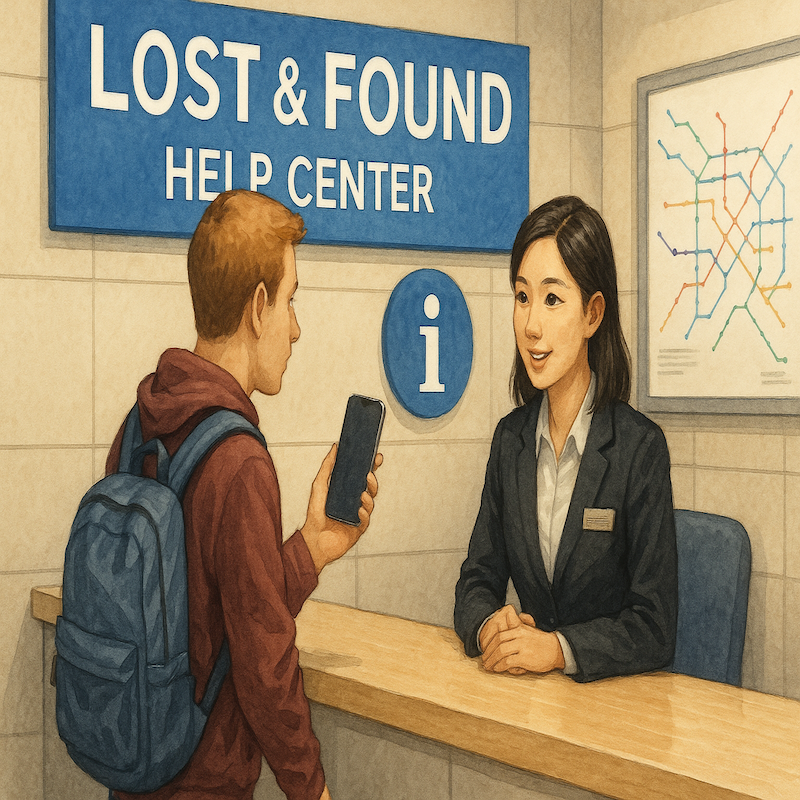
Korea has a relatively strong lost-and-found culture, and many items do get turned in. Subway stations, taxis, buses, police stations, airports, hotels, and shopping malls may each have their own lost-and-found process.
The Korean National Police Agency operates LOST112, a lost-and-found information system where people can search for found items and check reporting information. The English LOST112 page includes sections for search, reporting flow, coping tips, and links to the lost-and-found site.
If you are a foreigner without an Alien Registration Number, the LOST112 FAQ says you should visit the nearest police office, police station, or police box to report the lost item and receive a report receipt.
This is important for travel insurance. If your phone, wallet, camera, or passport is lost or stolen, you may need an official report.
Practical steps:
- Recheck the last place you sat, paid, or changed transportation.
- Contact the restaurant, café, hotel, taxi company, or station if you know where the loss happened.
- Search or report through LOST112 when appropriate.
- Visit a nearby police station or police box if you need help or a report.
- Call 112 if you believe a crime is happening or you need police assistance.
When to Call 112, 119, or 1330
In Korea, the number for police is 112. The number for fire and ambulance emergencies is 119. Visit Korea’s official FAQ also lists 1330 as the Korea Travel Hotline for non-life-threatening situations such as transportation inquiries or interpretation help.
Use 112 if:
- your wallet, passport, phone, or bag was stolen
- you are being followed or threatened
- you witnessed a crime
- you need police help
- you need to report theft or loss officially
Use 119 if:
- someone is injured
- you need an ambulance
- there is a fire
- there is a medical emergency
Use 1330 if:
- you need travel-related help
- you need interpretation support
- you are not in immediate danger but need guidance
For theft or loss, the Seoul safe travel guide is direct: report it to the nearest police station or call 112.
How to Stay Safe Without Becoming Paranoid
The goal is not to make Seoul feel scary. It is not scary for most visitors. The goal is to keep your good trip from being interrupted by a preventable mistake.
Use a zipped bag in crowded areas. Keep your passport in a safe place and carry a copy when possible. Do not put your wallet in a back pocket in busy streets. Keep your phone secure when taking photos near crowds. Avoid leaving valuables on café tables. In nightlife areas, keep your belongings in the same place all night so you notice quickly if something is missing.
When taking taxis, buses, or subways, do a quick seat check before leaving. This small habit saves many problems.
If you are traveling with family, choose one person to hold passports or split important items between two people. If one bag disappears, you do not want every card, passport, and document to disappear with it.
If you are going out drinking, simplify what you carry. Take one card, some cash, your phone, and ID if needed. Leave extra cards, your passport, and unnecessary documents safely at your accommodation.
Final Thoughts
So, is Seoul safe from pickpockets?
Yes, compared with many major tourist cities, Seoul is generally very safe. Most visitors will not experience theft, and the city’s calm, late-night, everyday safety is one of the reasons Korea feels so comfortable to travel in.
But Seoul’s safety can make people forget basic travel habits.
The realistic risk is not usually dramatic. It is quiet. A phone left on a table. A wallet in an open bag. A passport pouch taken out too often. A suitcase left behind during a transfer. A night out where alcohol makes everything less careful.
The best way to enjoy Seoul is to trust the city, but not blindly.
Walk comfortably. Enjoy Myeongdong, Hongdae, Itaewon, markets, cafés, subway rides, and late-night streets. Notice how safe the city feels. But keep your important things close, especially in crowds, nightlife areas, transport hubs, and tourist districts.
Seoul does not require fear.
It requires the kind of calm attention that lets you enjoy the city without giving one careless moment the power to ruin your trip.