Why Koreans rarely invite you to their home is one of those quiet mysteries many foreigners eventually notice after spending time in Korea.
You meet someone.
Eat together often.
Drink together after work.
Maybe even spend hours talking at cafés late into the night.
At some point, you begin thinking:
We’re becoming pretty close.
And yet, something feels strangely missing.
Months pass.
Still no:
“Come over sometime.”
No casual house gathering.
No weekend dinner at someone’s apartment.
No spontaneous invitation.
Instead, friendships continue outside.
Restaurants.
Coffee shops.
Bars.
Late-night convenience store snacks.
For many foreigners, this feels confusing.
Especially if you come from cultures where inviting someone home feels normal — even expected — once friendship starts growing.
You may quietly wonder:
Are Koreans uncomfortable with guests?
Am I not close enough?
Are they keeping distance?
I remember noticing this while watching TV shows about foreigners living in Korea. People seemed genuinely close — eating together constantly, celebrating birthdays, drinking late into the night — yet somehow, home invitations still felt surprisingly rare.
At first, it looked strange.
But after thinking about Korean relationships more carefully, I started wondering if something deeper was happening.
Maybe this was not simply about friendship.
Maybe home itself means something different in Korea.
Quick Answer: Why Do Koreans Rarely Invite People to Their Home?
Koreans often socialize outside the home rather than inviting people over, especially in cities like Seoul. For many people, home feels highly personal and private, and inviting someone over can sometimes feel more intimate than foreigners expect. Housing style, family living situations, personal comfort, and even unspoken concerns about social or financial comparison may also play a role. Instead of hosting at home, many Koreans prefer showing hospitality through meals, cafés, or paying for food outside.
Why Koreans Rarely Invite You to Their Home Even After Becoming Friends
One of the biggest misunderstandings foreigners sometimes have is assuming:
No invitation = not close.
In Korea, that is not always true.
You can genuinely be friends with someone and still never visit their home.
At least for a long time.
This surprises many foreigners because friendship often looks different elsewhere.
In many countries, home invitations feel natural.
You cook together.
Watch movies.
Relax on someone’s couch.
Friendship gradually moves into personal space.
In Korea, however, closeness often continues outside the house.
People meet:
- at restaurants
- at cafés
- at bars
- near subway stations
- in neighborhoods like Hongdae, Seongsu, or Euljiro
Hospitality often happens in public.
Not private.
And strangely enough, many Koreans may still consider someone a close friend without ever bringing them home.
Why Home Feels More Personal in Korea Than Foreigners Expect
Part of the reason may be something many foreigners do not immediately realize:
In Korea, home can feel deeply personal.
Not just emotionally.
Practically too.
Especially in Seoul.
Housing often reveals more than people intend.
Apartment size.
Neighborhood.
Building condition.
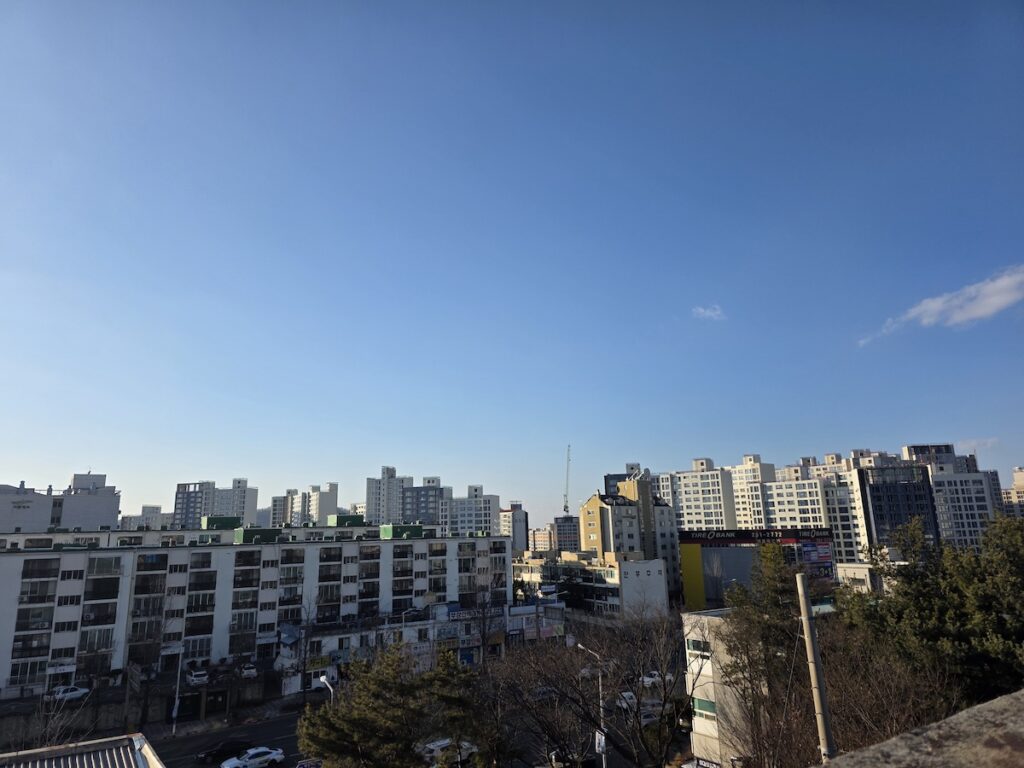
Whether someone lives in a villa, apartment tower, officetel, or semi-basement (banjiha).
Sometimes even financial comfort.
This may sound surprising at first.
But in Korea, housing can quietly communicate social status in ways many people are very aware of.
A quick online search often reveals apartment prices.
Neighborhood reputation matters.
Even subtle details about where someone lives can unintentionally say a lot.
Because of this, inviting someone home can sometimes feel unexpectedly vulnerable.
Not for everyone.
But for some people.
Especially younger adults.
Or people still financially establishing themselves.
Sometimes, Inviting Someone Home Can Feel Like Revealing Too Much
This is something foreigners may not immediately notice.
For some Koreans, inviting someone into their home may feel like revealing parts of life they prefer keeping private.
Questions quietly exist in the background:
Will they think my apartment is too small?
Is my neighborhood embarrassing?
Does my place look messy?
Will they judge how I live?
These thoughts may sound overly self-conscious.
But housing pressure in Korea can feel intense.
Especially in expensive cities like Seoul.
In some ways, home can feel connected to identity.
Success.
Financial reality.
Even self-esteem.
This does not mean Koreans are secretly ashamed of their homes.
Far from it.
Many people feel perfectly comfortable inviting others over.
Especially close friends.
But compared to cultures where casual home visits feel normal, the emotional threshold can sometimes feel higher.
And foreigners often do not realize that dynamic exists.
Why Korean Hospitality Often Happens Outside the Home Instead
Interestingly, this does not mean Koreans are less generous.
Sometimes, hospitality simply looks different.
Instead of saying:
“Come over for dinner.”
A Korean friend may say:
“Let me buy you dinner.”
Or:
“Let’s get drinks.”
Or quietly pay the bill without making it awkward.
In Korea, care often happens outside the house.
Hospitality can look like:
- paying for meals
- choosing a good restaurant
- staying out late together
- helping someone get home safely
- checking if you ate
For foreigners, this difference matters.
Because sometimes what feels like emotional distance is actually care expressed differently.
Someone may never invite you into their apartment.
But still spend hours helping you move.
Or bring medicine when you are sick.
Or insist on buying dinner when you are struggling.
Friendship in Korea often shows itself through action.
Not necessarily private space.
→ This article is part of our complete guide: [Korean Social Culture for Foreigners]
Korean Homes Also Work Differently Than Many Foreigners Expect
Another reason?
Space.
Especially in Seoul.
Many people simply do not have homes designed for casual hosting.
Small apartments are common.
Some people still live with parents longer than foreigners expect.
Others live in tiny one-room studios near work or university.
Inviting people over may simply feel inconvenient.
Or uncomfortable.
Imagine bringing new friends into a tiny studio apartment barely large enough for yourself.
For many Koreans, meeting comfortably outside feels easier.
Less pressure.
Less awkwardness.
And honestly?
Sometimes just more practical.
Korean Home Culture vs What Many Foreigners Expect
| What Many Foreigners Expect | What Often Happens in Korea |
|---|---|
| Casual house invitations | Socializing outside |
| Home dinners | Restaurant meals |
| Hanging out at home | Cafés and bars |
| Personal space shared early | Private space protected longer |
| Hosting at home | Paying outside instead |
Understanding this difference alone can remove a surprising amount of misunderstanding.
Because once you stop measuring friendship through home invitations, relationships in Korea start making much more sense.
When Koreans Actually Invite You to Their Home
At this point, many foreigners start wondering:
So… do Koreans ever invite people over?
Yes.
Absolutely.
But often, the meaning feels slightly different.
In Korea, inviting someone home can sometimes feel more personal than foreigners expect.
Especially in Seoul.
For many people, home is not casual social space.
It is private space.
Comfort space.
Family space.
Sometimes even emotional space.
Because of that, invitations may happen later in the relationship.
Not necessarily because someone dislikes you.
But because inviting someone home can quietly mean:
We are actually close now.
This becomes especially noticeable when Koreans begin opening smaller parts of their private life.
Maybe they casually say:
“Come by for dinner sometime.”
Or:
“Let’s eat at my place.”
At first, foreigners sometimes underestimate this.
But depending on the situation, it can quietly signal trust.
Not always.
But often.
Why Korean Friendships Sometimes Stay Outside the House
One thing I kept thinking about while writing this article was how different hospitality feels in Korea.
In some countries, inviting someone home feels natural.
Almost automatic.
In Korea, many people seem more comfortable hosting outside.
And honestly, part of that may have less to do with privacy than foreigners realize.
Sometimes, home can quietly feel tied to personal circumstances.
Economic reality.
Lifestyle.
Even confidence.
In Korea, where housing is expensive and neighborhoods often carry strong social meaning, home can unintentionally reveal a lot.
Apartment type.
Building age.
Neighborhood reputation.
Whether someone lives in a large apartment, a small one-room studio, a villa, or even a semi-basement apartment.
Sometimes, people may simply feel more comfortable meeting outside rather than exposing parts of life they would rather keep private.
Not out of shame.
More out of emotional comfort.

Why Home Can Feel Like Revealing Your Life
This may sound surprising to foreigners.
But in Korea, inviting someone home can sometimes feel like quietly revealing:
how successful you are.
how comfortably you live.
what kind of life you have.
Even though nobody openly says these things.
A quick property search online often reveals housing prices.
Certain neighborhoods carry assumptions.
And many Koreans are very aware of those invisible signals.
Of course, this is not true for everyone.
Some people happily invite friends over.
Especially if they enjoy hosting.
Others simply love cooking at home.
And many younger Koreans are becoming much more casual about inviting people over than previous generations.
Still, compared to places where home invitations happen casually, the emotional meaning can feel heavier.
Sometimes, meeting at a restaurant simply feels easier.
More equal.
More comfortable.
And honestly?
Less emotionally exposing.
Why Paying for Dinner Sometimes Feels More Comfortable Than Inviting You Home
This is one part foreigners sometimes misunderstand.
A Korean friend may never say:
“Come over to my place.”
But still insist on paying for dinner.
Or spend hours choosing a nice restaurant.
Or take care of small details all evening.
In Korea, generosity often appears differently.
Hospitality sometimes looks like:
“Did you eat?”
“Let me pay.”
“Let me walk you to the station.”
“Text me when you get home.”
For many Koreans, treating someone well outside the home may actually feel more natural than inviting them inside.
Especially early in friendship.
And sometimes, paying for a meal feels emotionally easier than opening personal space.
In a strange way, care in Korea often feels practical before it feels personal.
Why Some Koreans Secretly Admire People Who Can Host Others
This is something interesting that does not get talked about very much.
Sometimes, even Koreans quietly admire people who comfortably invite others home.
Especially when someone has:
- enough space
- emotional comfort
- confidence in their environment
- freedom to host casually
You sometimes notice this in Korean reality shows or celebrity home programs.
People gather.
Cook together.
Drink wine.
Talk comfortably in beautiful living rooms.
And strangely enough, part of what feels appealing is not only the house itself.
Sometimes it is the feeling that:
This person has a life comfortable enough to share.
For some Koreans, being able to host others comfortably feels aspirational.
Not simply because of money.
But because it represents emotional ease.
Privacy without anxiety.
A home that feels shareable.
Signs a Korean Friend May Actually Feel Close Enough to Invite You Home
Because invitations happen differently in Korea, foreigners sometimes wonder:
How do I know we are actually close?
There is no perfect rule.
But some signs often matter:
| Sign | What It Often Means |
|---|---|
| They invite you repeatedly to smaller gatherings | Growing trust |
| They introduce family or close friends | Inner circle signal |
| They become relaxed around you | Comfort level rising |
| They help you in practical ways | Genuine care |
| They casually mention home | Friendship becoming personal |
Sometimes, the invitation comes quietly.
Without dramatic build-up.
Almost casually.
And strangely enough, that is often when you realize:
Oh… maybe we actually became close.
What Foreigners Often Misunderstand About Home Invitations in Korea
The biggest misunderstanding?
Thinking:
No house invitation means emotional distance.
Sometimes, yes.
But often?
Not at all.
You can be genuinely important to someone and still never visit their home.
Especially in cities like Seoul.
Korean friendships often grow outside first.
Restaurants.
Cafés.
Late-night meals.
Shared routines.
Repeated consistency.
Sometimes closeness develops quietly in public before ever entering private space.
Once you understand that, relationships in Korea start feeling much less confusing.
Final Thoughts
At first, why Koreans rarely invite you to their home can feel strangely personal.
Especially if home invitations feel normal in your culture.
You may quietly wonder:
Are we not close enough?
Are they uncomfortable with me?
But often, the answer is much more layered.
In Korea, home can feel surprisingly personal.
Not only emotionally.
But socially and financially too.
Sometimes, inviting someone home feels like revealing parts of life many people prefer keeping private.
And instead of hosting at home, care often appears differently:
Through meals.
Through effort.
Through consistency.
Through quietly showing up.
In Korea, friendship is not always measured by whether someone invites you into their apartment.
Sometimes, it is measured by who stays until the last subway with you.
Or insists on paying for dinner.
Or messages to ask:
“Did you get home safely?”
And strangely enough, over time, that starts feeling meaningful too.