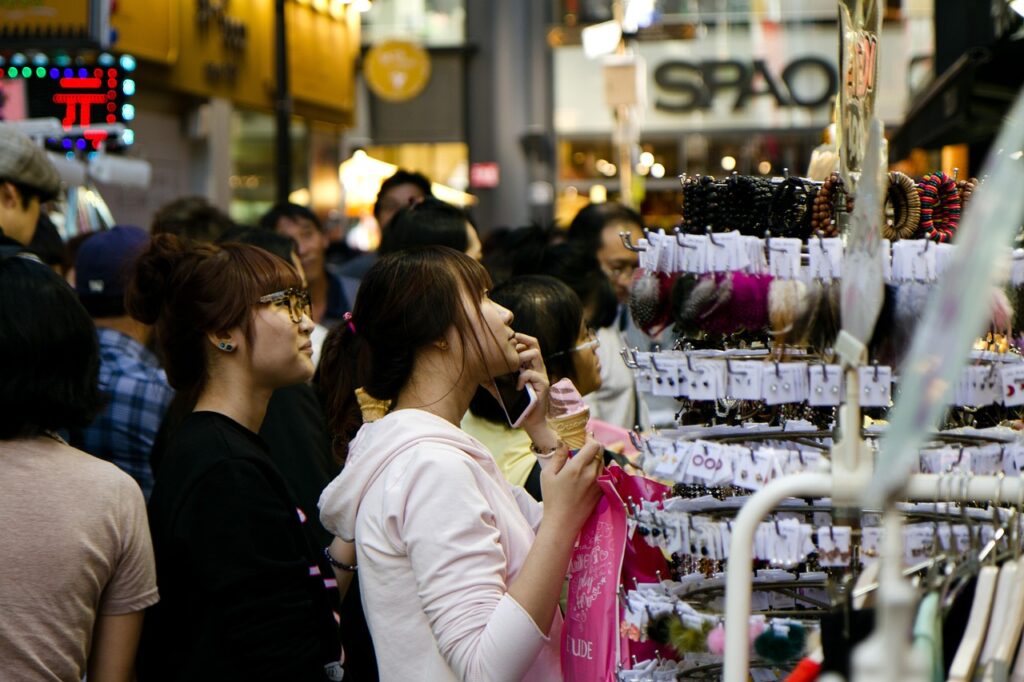
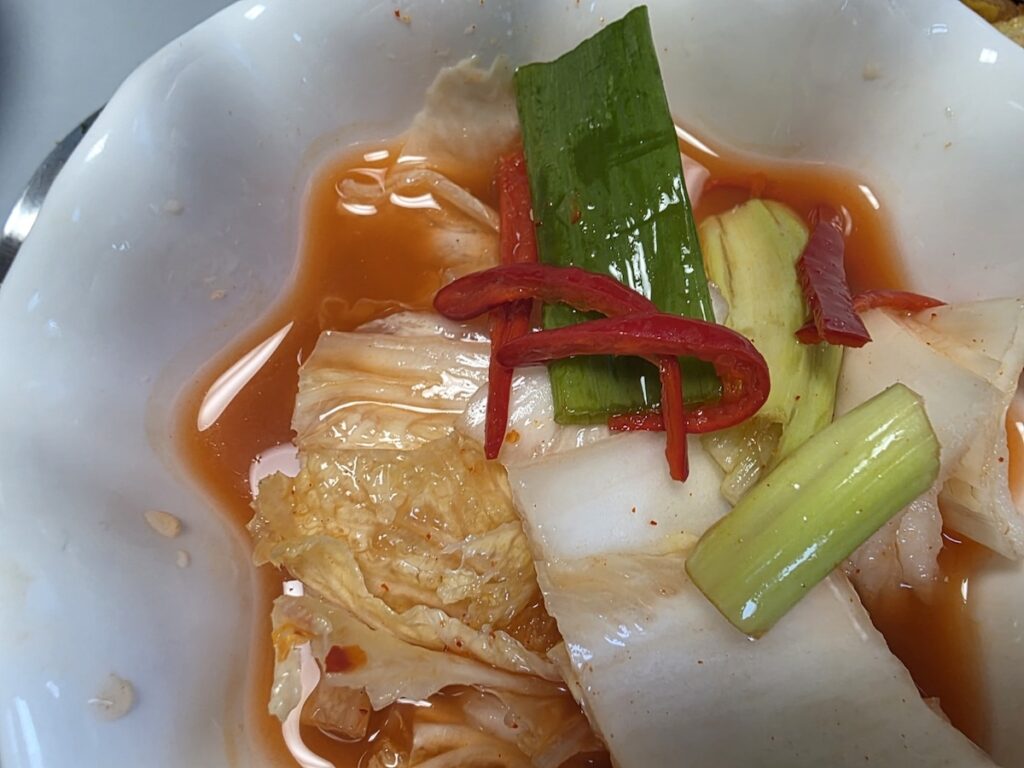
Digital detox Korea travel feels powerful because Korea is usually so fast, connected, and efficient.
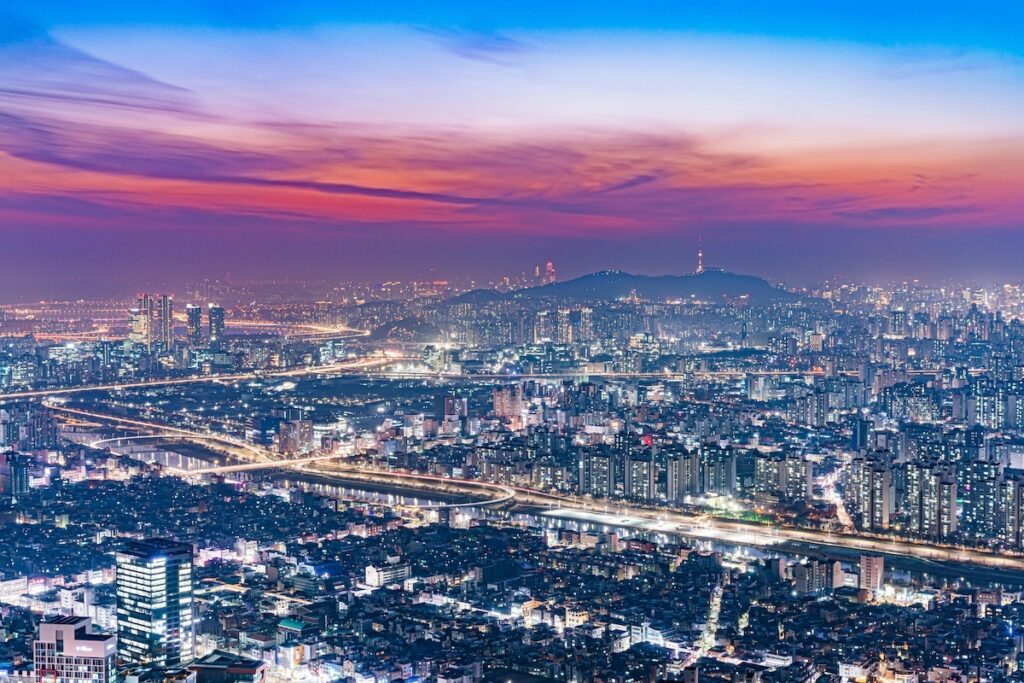
That may sound strange at first. Korea is not the first country people imagine when they think of silence. Many visitors picture Seoul through subway transfers, mobile payment, cafés, night shopping, K-pop screens, delivery apps, convenience stores, and streets that stay bright long after dinner. The country can feel beautifully fast. You can order coffee in seconds, tap through subway gates, pay without cash, follow a map app through a station, and move from palace streets to high-rise districts in one afternoon.
But that speed is exactly why the idea of slowing down here can feel so strong.
Sometimes, when I think about what people really want from a break, it is not always luxury. It is not always a perfect hotel, a famous spa, or a complicated wellness program. Many people, including office workers in Seoul, dream of something much simpler: a quiet place, a long walk, clean food, fewer notifications, an early night, a morning without rushing, and a few hours when nobody expects an immediate reply.
That is why templestay feels different.
A Korean templestay is not the only way to slow down in Korea. You can rest in a quiet hotel, walk a Seoul trail, eat temple food, sit by the Han River, or spend a morning in a calmer neighborhood café. But templestay is one of the few experiences where the structure itself asks you to stop.
Quick Answer: Is Templestay Good for Digital Detox?
Templestay can be a good choice for digital detox Korea travel, especially if you choose a rest-oriented program rather than a packed cultural schedule. A templestay is not always a strict “no phone” retreat, and rules vary by temple, but the setting naturally reduces screen time through quiet surroundings, simple meals, meditation, temple etiquette, walking, early schedules, and less pressure to keep checking apps. It is not a wellness hotel, and it is not for everyone. But if you want Korea to feel slower, quieter, and less commercial for a day or two, templestay can offer one of the clearest ways to experience that.
Why People Look for Digital Detox in Korea
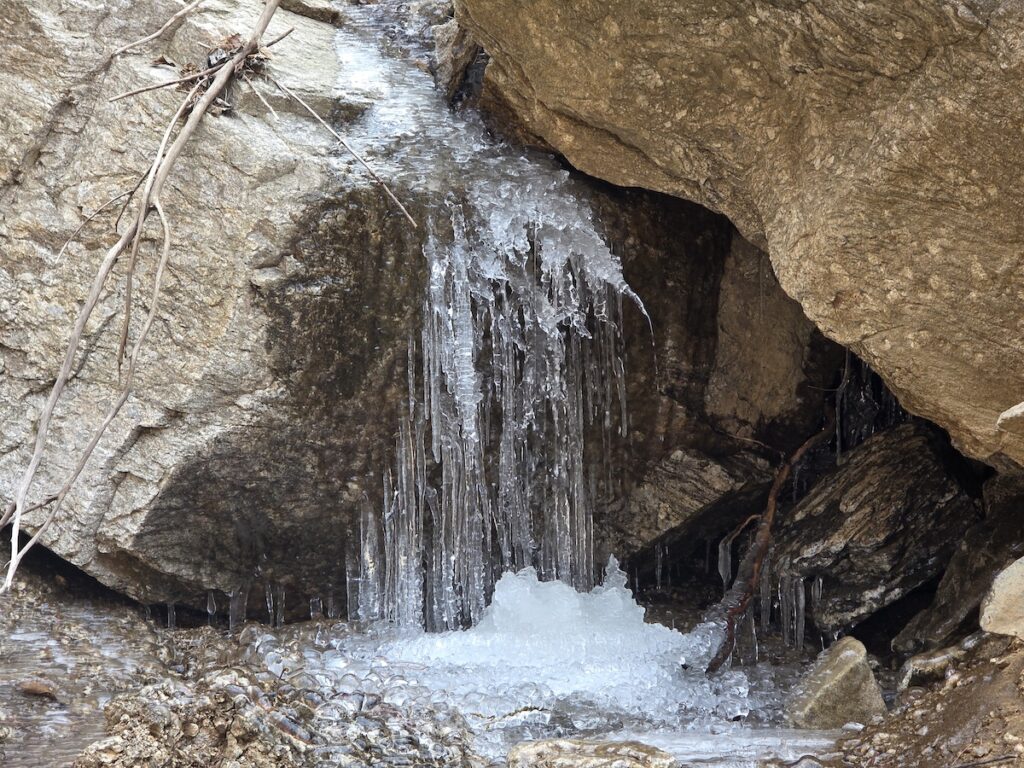
Korea can be tiring because it works so well.
That may sound unfair, but it is true. For many visitors, Seoul’s convenience is exciting at first. Subway trains arrive often. Convenience stores are everywhere. Cafés are easy to find. Food delivery culture is famous. Shopping districts stay active late. Payment systems are fast once you are inside the system. Even travel itself can become a kind of constant scrolling: maps, reviews, translation apps, restaurant searches, transit routes, tickets, photos, messages, and short videos.
The trip becomes efficient. But it may not always feel restful.
This is not only a foreign traveler’s problem. Many people living in Seoul know the feeling well. The workweek can become a loop of subway rides, office hours, group chats, lunch breaks, late messages, app notifications, and crowded streets. Even when the city is comfortable, the mind does not always slow down.
So when people search for a digital detox in Korea, they may not be looking only for a place without Wi-Fi. They may be looking for permission to stop performing the trip.
Not every moment has to be photographed.
Not every meal has to be famous.
Not every day has to be optimized.
Not every quiet hour is wasted.
A digital detox in Korea works best when it is not about rejecting modern Korea, but about giving yourself one quiet space inside it.
Templestay Is Not a Trendy Wellness Hotel
This is important to understand before booking.
A templestay is not the same as staying at a spa resort, boutique hotel, or luxury wellness retreat. The official Templestay site describes templestay as a cultural experience program for understanding Korean traditional culture and Korean Buddhism, with activities such as temple tours, meditation, chanting, tea, and Buddhist meals.
That means the purpose is different.
A wellness hotel usually gives you comfort. You choose your room, your breakfast time, your spa treatment, your bath, your robe, your view, your privacy. The experience is designed around your preference.
A templestay asks for something else. It may ask you to follow a schedule, eat simple temple food, speak more quietly, remove your shoes in certain places, join meditation, wake up early, or respect spaces that are not built around personal convenience.
For some travelers, that can feel uncomfortable. For others, that is exactly the point.
Luxury can help you rest, but it can also keep you in control. Templestay gently removes some of that control. You do not have to choose every next step. You do not have to fill the silence. You do not have to keep proving that your trip is interesting.
You just follow a slower rhythm for a while.
Why Templestay Feels Different in a Fast Country
Digital detox in Korea feels different because the contrast is so strong.
In Seoul, speed is part of the atmosphere. People move quickly through subway stations. Office workers eat lunch efficiently. Students study in cafés late into the evening. Delivery scooters pass through side streets. Screens glow in restaurants, buses, stations, shops, and elevators. Even leisure can feel scheduled: where to eat, where to take photos, which café is trending, which neighborhood is next.
Then you enter a temple.
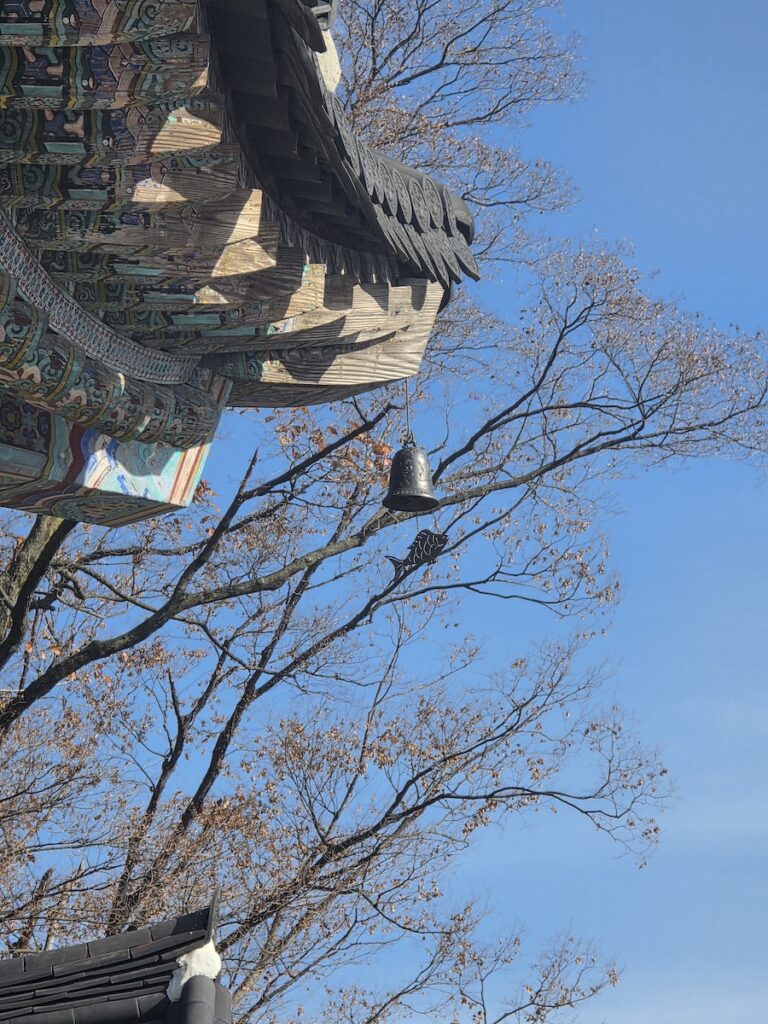
The sounds change. The pace changes. The light may feel softer. Your shoes come off. Food is simpler. Conversations become quieter. The air may be colder or cleaner if the temple is in the mountains. Instead of checking whether your next café is open, you may notice the sound of a bell, the slope of a path, the shape of a wooden door, or the quietness of people eating together.
This does not mean every templestay is perfectly silent. Some programs have groups, instructions, activities, and visitors taking photos. But even then, the basic structure is different from the city.
A templestay does not entertain you in the same way Seoul entertains you.
It gives you less.
And sometimes less is the reason it works.
Rest-Oriented Templestay vs Experience-Oriented Templestay
Not every templestay has the same feeling. This matters if your real goal is digital detox.
Some programs are more experience-oriented. These can include cultural activities, temple etiquette, meditation, chanting, 108 bows, prayer beads, tea time, temple food, or conversations with monks. They can be meaningful, but they may still feel scheduled.
Other programs are more rest-oriented. These are usually better if you are tired, overstimulated, or looking for a quieter pause. Visit Seoul describes rest-style templestay as a way to step away from busy daily life and rest the tired body and mind.
| What you want | Better choice | What it may feel like |
|---|---|---|
| Learn Korean Buddhist culture actively | Experience-oriented templestay | More structured, more activities, more cultural learning |
| Use your phone less and rest quietly | Rest-oriented templestay | Slower rhythm, more quiet time, less pressure |
| Try templestay without staying overnight | Day program | A short taste of temple culture |
| Rest with comfort and privacy | Quiet hotel | Flexible, private, easier, but less structured |
| Reset through movement | Walking trail | Good for light digital detox without temple rules |
| Try only the food side | Temple food restaurant | A small slow-food experience without full participation |
This is why choosing the right program matters. If you want quiet, do not automatically choose the busiest cultural schedule. If you want to learn, do not choose a program that is mostly free time. If you want comfort, be honest with yourself before choosing a temple over a hotel.
A good digital detox does not come from choosing the most difficult option. It comes from choosing the option that actually helps you stop.

What You Actually Do Instead of Scrolling
The most interesting part of digital detox is not what you remove. It is what appears in the empty space.
At a templestay, you may eat temple food slowly. You may sit in meditation. You may walk through temple grounds. You may drink tea. You may listen to chanting even if you do not understand every word. You may sleep earlier than usual. You may wake up before the city fully begins. You may notice weather, trees, socks, floor warmth, footsteps, and small sounds that normally disappear under notifications.
That can feel almost strange.
Many people are used to filling every pause. Waiting for a train means checking a phone. Sitting alone means scrolling. Eating alone means watching something. Walking means listening to music or a podcast. Travel makes this even stronger because everything feels worth recording.
A templestay can interrupt that habit.
Not always dramatically. You may still take photos. You may still check your messages. You may still use your phone for directions. But the environment gently makes constant phone use feel less natural.
There are places where looking at your screen all day feels normal.
A temple is usually not one of them.
The Seoul Office Worker Fantasy
One reason this topic feels real to me is that the desire behind it is not foreign at all.
Many people in Seoul also want a version of digital detox, even if they do not call it that. They may say they want to go somewhere quiet for the weekend. They may dream of a place near a mountain, a forest path, a simple meal, a room without noise, or a day when they do not have to answer messages quickly.
The fantasy is not always grand.
It may be waking up and walking without a schedule.
Eating food that feels clean.
Hearing fewer cars.
Not talking too much.
Not being watched by work chats.
Not choosing from endless restaurants.
Not checking whether a place is trending.
Not feeling that rest itself has to be productive.
This is where foreign travelers and Seoul office workers may quietly meet.
A traveler may come to Korea excited by speed: subway efficiency, cafés, shopping, night views, payment systems, and busy neighborhoods. But after a few days, they may want something slower. A Korean office worker may live inside that speed every week and dream of leaving it behind for one night.
The feeling is similar.
Sometimes rest means going somewhere that does not ask you to be impressive.
If Templestay Feels Too Strict
Templestay is not for everyone.
Some travelers dislike rules. Some do not want early mornings. Some prefer private bathrooms, soft hotel beds, flexible meals, or full control over their day. Some may feel uncomfortable in a religious setting, even if templestay programs welcome non-Buddhist visitors. Some people simply want quiet without structure.
That is fine.
Digital detox Korea travel does not have to mean disappearing into the mountains for a week. It can be softer than that.
You can walk part of the Seoul Trail or a quiet riverside path. You can visit Namsan, Inwangsan, Bukhansan, or a gentler city walking route. You can eat at a temple food restaurant. You can book a quiet hotel and intentionally leave your phone in your bag for half a day. You can spend a morning by the Han River without making it a photo project. You can choose a neighborhood café and read instead of scrolling.
These are lighter forms of the same desire.
A hotel gives you comfort.
A trail gives you movement.
Temple food gives you a cleaner meal.
A riverside walk gives you space.
A templestay gives you structure.
The best choice depends on what kind of tired you are.
When a Hotel Is Actually the Better Choice
It is worth saying this clearly: sometimes a hotel is better than templestay.
If you are physically exhausted, jet-lagged, traveling with children, dealing with health needs, or simply craving a private room and a long shower, a quiet hotel may be more helpful. If you want to sleep late, eat when you want, and control your schedule, templestay may feel more stressful than healing.
A hotel can be the right digital detox if you use it intentionally.
Turn off notifications. Avoid overplanning. Take a long walk nearby. Eat something simple. Do not fill the day with five more attractions just because you paid for a nice room. In that case, the hotel becomes less like escape and more like recovery.
The difference is that a hotel will not usually force you to slow down. You have to choose it yourself.
A templestay creates the pause for you.
Who Should Try a Digital Detox Templestay?
A digital detox templestay may be a good fit if you are traveling alone, staying in Korea long enough to slow down, or feeling tired after several days in Seoul. It may also suit people who are curious about Korean culture but do not want another crowded attraction.
It can be especially meaningful if you already saw the obvious sights and want another layer of Korea.
You do not need to be Buddhist. You do not need to be an expert in meditation. You do not need to be perfectly calm. In fact, many people who need quiet are not calm at all when they arrive.
You just need to be willing to respect the place.
That means checking the program details, understanding the schedule, dressing simply, following instructions, keeping your voice low, and remembering that a temple is not a themed hotel. It is a living religious and cultural space.
If you can accept that, the experience may give you something Seoul’s faster pleasures cannot.
Who Might Not Enjoy It?
A templestay may not be ideal if you want nightlife, luxury, privacy, flexible meals, or a schedule built entirely around your preferences.
It may also feel difficult if you are uncomfortable with silence, group activities, simple rooms, temple etiquette, vegetarian-style meals, or early mornings. Some temples may have English support, while others may not offer the same level of foreigner-friendly guidance, so checking each program before booking is important. The official Templestay reservation site lets visitors browse programs and temple information, which is useful before choosing a stay.
This honesty matters because digital detox should not become another performance.
You do not have to prove you are a deep traveler by staying at a temple. You do not have to choose the most spiritual-looking option. You do not have to force yourself into a program that does not match your body, schedule, or personality.
The point is not to suffer quietly.
The point is to rest differently.
Do Not Treat Templestay Like a Last-Minute Escape
One small mistake travelers can make is imagining templestay as something they can decide at the very last minute.
Emotionally, that makes sense. Digital detox often starts with a sudden feeling: I am tired, I want to leave the city, I want to be somewhere quiet, I do not want to look at my phone anymore. But practically, templestay is still a program with limited rooms, schedules, language options, meal preparation, and temple rules.
Popular temples, weekend stays, holiday periods, and foreigner-friendly programs may not always be available exactly when you want them. A rest-oriented templestay can feel simple once you arrive, but the booking itself still needs a little planning.
This is especially important if you need English support, want a private or more comfortable room, are traveling with another person, or only have one free night in your Korea itinerary. The quieter and more suitable a program looks, the more you should check availability early instead of assuming you can book it after you feel tired.
A templestay should feel like a pause, not another travel problem.
So if digital detox is part of your Korea trip, treat it like a slow appointment with yourself. Choose the type of program first, check the schedule, confirm the language support, and leave enough time around it so you do not arrive rushed and leave exhausted.
The irony is that rest often works better when you plan it before you desperately need it.
How to Prepare Without Overplanning
Before booking, decide what you want most.
Do you want silence? Choose a rest-oriented program.
Do you want cultural learning? Choose an experience-oriented program.
Do you want a small taste? Look for a day program.
Do you want comfort? Choose a quiet hotel instead.
Do you want movement? Try a walking trail.
For templestay, check the schedule carefully. Look for English information if you need it. Confirm whether meals are included. Read the rules about clothing, arrival time, and participation. Bring comfortable clothes, socks, toiletries, any medication you need, and a quiet attitude.
Also, do not overpack. Temple spaces are usually simple. A huge suitcase can feel awkward, especially if you are moving through older buildings, stairs, or shared areas.
And about your phone: do not make the goal too dramatic.
You do not need to throw it away. You may need it for maps, translation, emergency contact, or photos. But you can decide when not to use it. You can stop checking messages during meals. You can leave it in your bag during walks. You can take fewer photos. You can let one quiet hour stay quiet.
Digital detox does not have to be perfect to be real.
Final Thoughts
Digital detox Korea travel is not about pretending modern Korea does not exist.
Modern Korea is part of the experience. The speed, the apps, the subway, the cafés, the payments, the screens, the late-night streets, and the constant movement are all real. They are part of what makes Korea exciting.
But they are not the whole country.
There is another Korea inside the fast one. It appears in mountain paths, temple courtyards, quiet meals, early mornings, slow tea, riverside walks, old trees, and places where your phone suddenly feels less important.
Templestay feels different because it does not simply offer rest as a service. It changes the rhythm around you. It may not be luxurious. It may not be completely comfortable. It may not be right for every traveler. But if you choose the right kind of program, especially a rest-oriented one, it can show you a slower Korea that is hard to find while rushing between stations, cafés, shops, and night views.
If you want comfort, choose a hotel.
If you want movement, choose a trail.
If you want a small taste of slow food, try temple cuisine.
But if you want Korea itself to ask you to stop for a while, templestay may be the clearest version of digital detox Korea.
Not because it removes the modern world completely.
Because, for a short time, it gives you permission not to answer it.