Korean friendships can feel surprisingly difficult to understand when you first arrive in Korea.
You meet people.
You eat together.
Sometimes you even drink together until late at night.
The conversation feels warm.
People seem kind.
Friendly, even.
And yet, weeks later, you may still find yourself wondering:
Are we actually friends?
For many foreigners in Korea, this feeling comes unexpectedly.
Especially if you come from cultures where friendships form quickly.
Maybe you meet someone once, exchange numbers, and immediately start hanging out.
Maybe deep conversations happen early.
Maybe people openly invite each other to their homes.
In Korea, though, friendship can feel slower.
More gradual.
Sometimes even confusing.
You may meet the same person several times and still feel like there is invisible distance.
But then something surprising happens.
Months later, that same person remembers tiny details you casually mentioned.
Helps you when you are sick.
Invites you into a closer social circle.
Or quietly checks on you when life gets difficult.
At first, Korean friendships may feel harder to enter.
But once trust forms, they can feel unexpectedly loyal.
And understanding why this happens can make life in Korea feel much less confusing.
Quick Answer: Why Do Korean Friendships Feel Slow at First?
Korean friendships often develop more gradually because trust tends to build slowly through repeated interactions and shared experiences. Unlike cultures where emotional openness happens quickly, many Koreans prefer consistency over fast closeness. Group settings, shared meals, and repeated contact often matter more than immediate emotional connection. For foreigners, this can sometimes feel distant at first, but once trust forms, Korean friendships are often deeply loyal and long-lasting.
Why Korean Friendships Feel Different From What Many Foreigners Expect
One of the biggest misunderstandings foreigners experience in Korea is assuming friendliness automatically means closeness.
In many countries, especially Western ones, friendship can feel relatively fast.
You click with someone.
You hang out a few times.
Soon, you are talking openly about life.
Problems.
Relationships.
Family.
But in Korea, relationships often move differently.
Warmth does not always mean emotional openness.
Friendliness does not automatically mean closeness.
This can feel confusing at first.
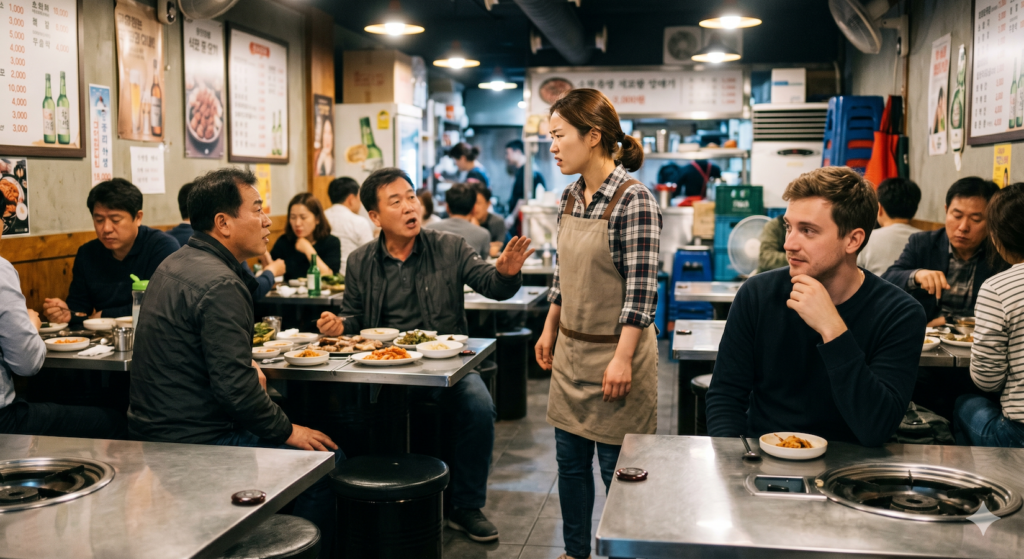
A Korean coworker may eat lunch with you every day.
A classmate may happily drink with you after class.
Someone may even say:
“We should hang out again.”
But emotionally?
The relationship can still feel careful.
Not cold.
Just… gradual.
This difference can make many foreigners wonder:
Do Koreans not want foreign friends?
Usually, that is not the issue at all.
Very often, Korean friendships simply develop through familiarity.
Not instant emotional chemistry.
Why Korean Friendships Often Build Through Repetition
One thing that surprises many foreigners is how much consistency matters in Korea.
Friendship often grows through repeated contact.
Seeing each other often.
Sharing routines.
Showing up consistently.
This is one reason school friendships in Korea tend to become extremely strong.
People spend years together.
The same classrooms.
The same meals.
The same schedules.
The same stress.
Trust builds slowly.
And deeply.
Even later in life, many Koreans maintain close friendships from school or university.
For foreigners, this can feel intimidating.
Especially when friend groups already seem established.
You may feel like:
Everyone already has their people.
And honestly?
Sometimes that feeling is real.
Korean friendships can feel more group-oriented than individualistic.
Instead of quickly inviting one new person into an inner circle, people often spend time observing.
Understanding how relationships and social closeness work in Korea can make everyday interactions feel much less confusing.
Quietly figuring out:
Can we trust each other?
Do we fit socially?
Are we comfortable together?
This is not usually rejection.
It is often relationship-building happening more slowly than foreigners expect.
Why Korean Friendships Feel Slow at First in Social Situations
This becomes especially noticeable in social settings.
You go out with coworkers.
Or classmates.
Everyone seems close.
Inside jokes.
Shared stories.
People ordering food without even discussing it.
Then there is you.
Smiling politely.
Trying to follow conversations moving too quickly.
Trying to understand when the group became so close.
In many countries, social groups may immediately pull someone in.
In Korea, groups sometimes warm up more gradually.
Especially if language barriers exist.
Or if the group already has long shared history.
This can sometimes make foreigners feel unintentionally excluded.
But often, what looks like distance is simply familiarity taking time.
Many Koreans may actually feel shy too.
Especially in English.
Or uncertain about how comfortable a foreigner feels with Korean culture.
Sometimes both sides are waiting for the other person to make the relationship feel more natural.
Why Korean Friendships Often Start in Groups Instead of One-on-One
This is another difference many foreigners notice.
In some countries, friendship often grows through direct one-on-one interaction.
Coffee.
Long conversations.
Personal sharing.
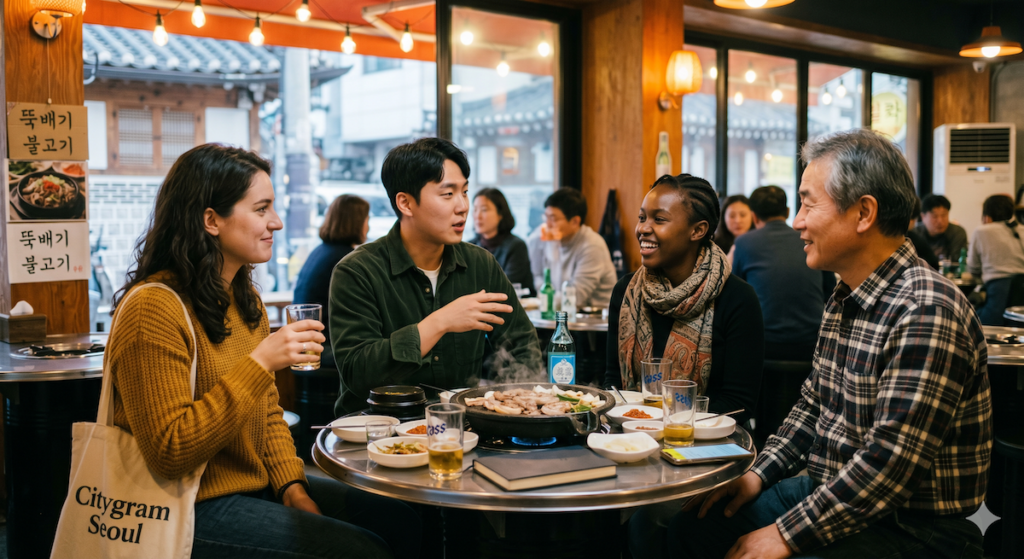
In Korea, friendships often begin inside groups.
Shared dinners.
University clubs.
Work gatherings.
Language exchanges.
Hiking groups.
Drinking culture also plays a role.
Many friendships deepen through repeated dinners or late-night meals rather than intense personal conversations right away.
Sometimes closeness develops quietly.
Without dramatic emotional moments.
Just repeated shared experiences.
This is one reason foreigners sometimes misread the situation.
You may think:
We are not close.
Meanwhile, the Korean person may think:
We are getting closer naturally.
The timing simply feels different.
Korean Friendships vs What Many Foreigners Expect
| What Many Foreigners Expect | What Often Happens in Korea |
|---|---|
| Fast emotional openness | Slow trust-building |
| Quick invitations | Group-based friendships |
| Deep conversations early | Gradual closeness |
| One-on-one hangouts | Shared social settings |
| Fast emotional intimacy | Consistency matters more |
Understanding this difference alone can remove a surprising amount of frustration.
Because once you stop expecting instant closeness, Korean friendships suddenly start making more sense.
Why Korean Friendships Can Feel Confusing to Foreigners
The hardest part is often uncertainty.
You may wonder:
Do they actually like me?
Are we friends?
Am I trying too hard?
Especially when someone feels warm but still distant.
This confusion becomes even stronger if you recently read about Korean politeness culture.
Maybe someone says:
“Let’s meet sometime.”
But plans never happen.
Maybe messages feel polite but not emotionally open.
Maybe invitations stay group-based.
It can feel mixed.
And sometimes discouraging.
But Korean friendships often reward patience in a way that surprises many foreigners later.
Because closeness in Korea frequently grows slowly before suddenly feeling very real.
And that shift is usually easier to understand once you see how trust works here.
Why Koreans May Not Open Up Emotionally Right Away
One thing many foreigners notice in Korea is that friendships can sometimes feel warm — but still emotionally distant.
You meet regularly.
Eat together.
Laugh together.
Maybe even drink until late at night.
And yet, personal conversations still feel limited.
No deep childhood stories.
No dramatic emotional sharing.
No immediate vulnerability.
For foreigners used to fast emotional openness, this can feel confusing.
Sometimes even disappointing.
You may wonder:
Are they keeping me at a distance?
Sometimes, yes.
But very often?
Korean friendships simply move differently.
In many Western cultures, emotional openness can happen early.
Sharing personal struggles often creates closeness.
In Korea, trust is often built first.
Personal openness comes later.
Instead of:
“Tell me everything about your life.”
the relationship often grows through:
consistency.
Shared meals.
Repeated meetings.
Quiet reliability.
In a strange way, Korean friendships can sometimes feel more like slow-cooked food than fast food.
Not instant.
But surprisingly deep once ready.
→ This article is part of our complete guide: [Korean Social Culture for Foreigners]
Why Korean Friendships Often Feel Stronger Later
This is the part many foreigners do not expect.
At first, Korean friendships may feel harder to enter.
But once someone genuinely considers you part of their circle, things often change dramatically.
You may suddenly notice things like:
Someone remembers your favorite food.
Checks if you got home safely.
Messages you after a stressful week.
Brings medicine when you are sick.
Invites you to gatherings with close friends.
Helps you move apartments.
These moments can feel surprisingly meaningful.
Especially because they sometimes appear quietly.
Without big emotional speeches.
In Korea, care often appears through actions rather than words.
A Korean friend may never say:
“You mean a lot to me.”
But they might spend an hour helping you find a hospital appointment.
Or show up with food when you are exhausted.
To many foreigners, this feels unexpectedly loyal.
Sometimes even deeper than friendships that formed quickly.
Why Loyalty Matters So Much in Korean Friendships
This idea of loyalty appears in many parts of Korean social culture.
Long-term friendships matter.
Shared history matters.
Showing up consistently matters.
This is one reason many Korean friendships stay strong for years.
Even decades.
Many Koreans still meet elementary school friends.
University friend groups often remain close well into adulthood.
This can sometimes make social circles feel difficult to enter at first.
But once trust forms, friendships often become surprisingly stable.
For foreigners, this can feel very different from places where friendships form quickly but also fade quickly.
Neither system is better.
Just different.
And understanding that difference can remove a lot of unnecessary frustration.
How to Actually Build Korean Friendships
This is probably the part most foreigners want practical advice about.
If Korean friendships grow slowly, what actually helps?
1. Consistency Matters More Than Intensity
This is probably the biggest thing.
Do not expect one amazing conversation to instantly create closeness.
Instead:
Show up repeatedly.
Say yes to dinners.
Join group activities.
Stay in touch casually.
Small consistency often matters more than emotional intensity.
2. Shared Experiences Build Trust
In Korea, relationships often grow through doing things together.
Eating.
Studying.
Traveling.
Drinking.
Working.
Hiking.
Even repeated convenience store runs after class.
Sometimes friendship grows quietly through ordinary moments.
Not dramatic bonding experiences.
3. Don’t Take Distance Personally Too Quickly
This one matters.
Many foreigners leave Korea believing:
Koreans don’t want foreign friends.
Sometimes language barriers exist.
Sometimes social circles are already established.
But very often, relationships simply take longer.
What feels distant may actually be:
cautious warmth.
Not rejection.
Just slower trust.
4. Group Settings Often Work Better Than One-on-One
This surprises many foreigners.
Instead of asking:
“Want coffee just us?”
Sometimes friendships grow more naturally through:
- dinner groups
- hiking clubs
- language exchanges
- work dinners
- mutual friend circles
Group familiarity often feels socially easier.
Especially early on.
Signs a Korean Friendship Is Becoming Real
Because relationships can feel subtle in Korea, foreigners sometimes miss the signals.
Here are a few signs things are actually moving forward:
| Sign | What It Often Means |
|---|---|
| They contact you first | Growing comfort |
| They remember small details | Real attention |
| They invite you repeatedly | Trust building |
| They introduce close friends | Inner circle signal |
| They become more casual | Relationship warming up |
One especially meaningful moment?
When someone starts treating you less formally.
Not rude.
Just relaxed.
Sometimes that shift quietly means:
We are closer now.
What Foreigners Often Get Wrong About Korean Friendships
The biggest misunderstanding?
Thinking slow means cold.
Or distant means rejection.
Sometimes Korean friendships simply take time to warm up.
Especially if cultural differences exist.
Especially if language feels difficult.
Especially if the relationship started recently.
Foreigners sometimes expect:
instant emotional closeness.
Korean friendships often expect:
repeated trust.
Once you understand that difference, things start feeling much less personal.
And often, much less lonely.
Final Thoughts
At first, Korean friendships can feel confusing.
People seem warm.
Yet distant.
Friendly.
Yet difficult to fully know.
Especially for foreigners used to faster emotional connection, the process can sometimes feel discouraging.
But Korean friendships often follow a different rhythm.
Instead of immediate closeness, trust usually builds slowly.
Through repetition.
Consistency.
Shared meals.
Shared moments.
Quiet reliability.
And once that trust forms, friendships in Korea can feel deeply loyal in ways many foreigners do not expect.
Sometimes, the person who felt distant in month one becomes the person helping you move apartments in month six.
Or checking on you when life gets hard.
Or quietly becoming part of your everyday life.
In Korea, friendship may take longer to grow.
But often, that slow beginning is exactly what makes it last.